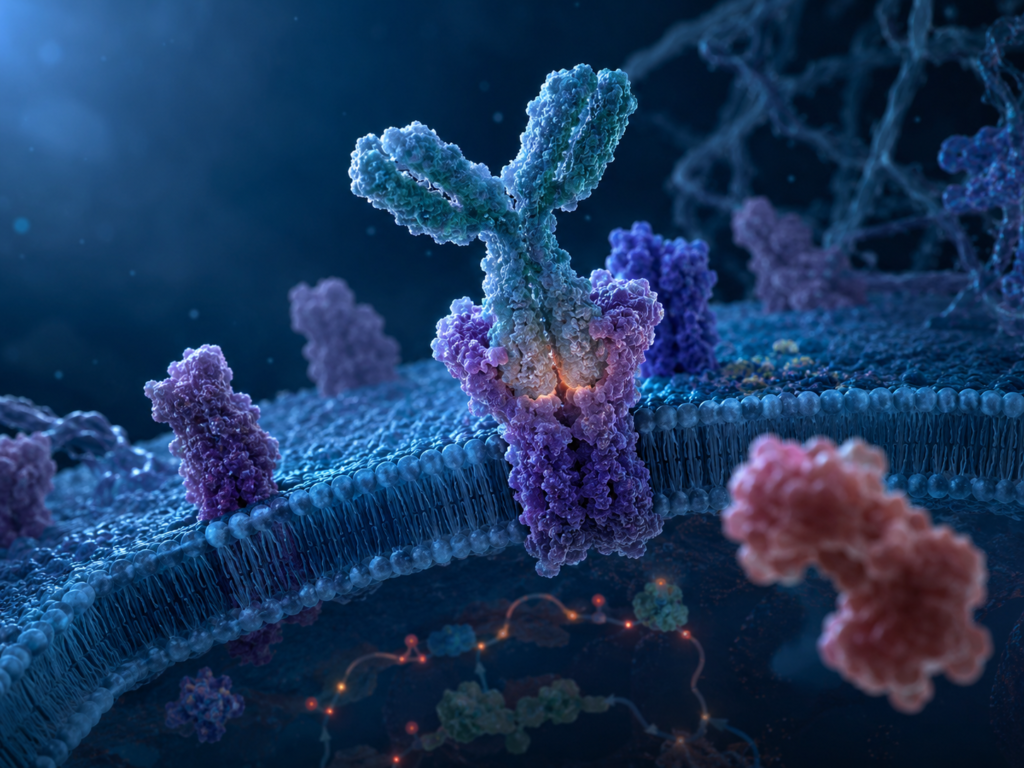
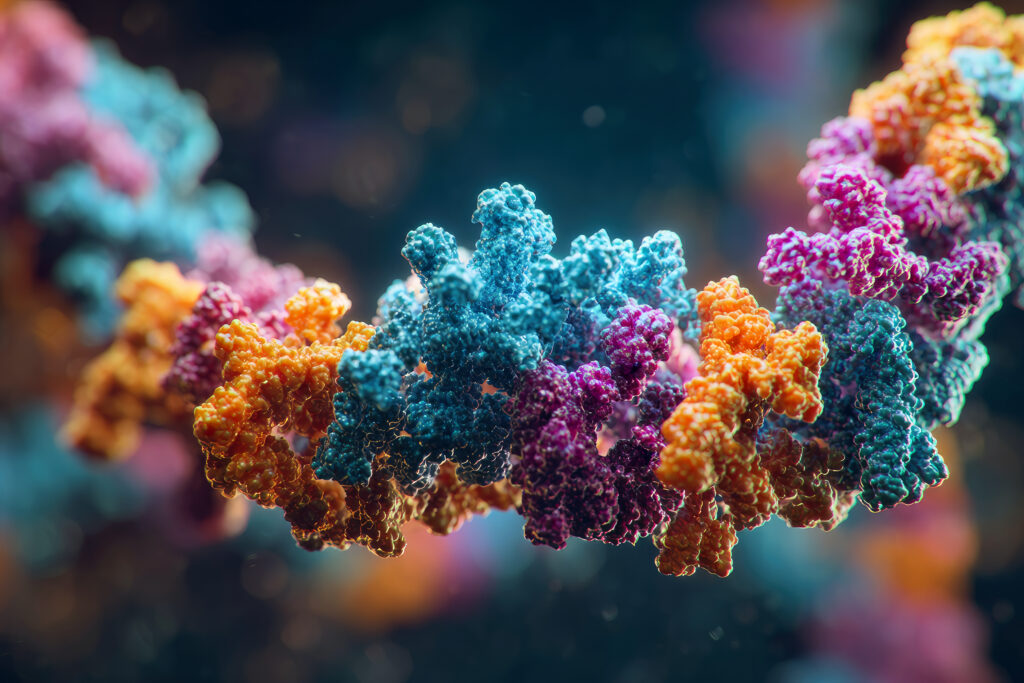
3D medical animation transforms complex medical, biological, pharmaceutical, and clinical concepts into visual stories that are easier to understand. Instead of relying only on static diagrams, photographs, or technical explanations, medical animation can show movement, biological interactions, disease progression, device functionality, surgical procedures, and mechanisms that cannot be directly observed.
Pharmaceutical, biotechnology, medical device, healthcare, and scientific organizations use 3D medical animation for applications ranging from mechanism of action (MoA) and mechanism of disease (MoD) visualization to product launches, medical education, patient communication, investor presentations, and scientific storytelling.
This guide explains what 3D medical animation is, the major types and applications, how medical animations are produced, what affects production timelines and costs, and how to evaluate a medical animation company.
Understanding 3D Medical Animation
Harnessing the power of advanced visualization, 3D medical animation offers an unparalleled approach to elucidating the unseen mechanisms of life.
What is 3D Medical Animation?
3D medical animation is a form of scientific visualization that uses three-dimensional computer-generated imagery and animation to represent medical, biological, anatomical, pharmaceutical, surgical, or technical concepts.
A medical animation can show structures and processes that are difficult to observe directly, including molecules, receptors, cells, tissues, organs, biological pathways, disease progression, drug mechanisms, medical devices, and surgical procedures. Because the environment is digitally constructed, a scene can move between different biological scales, such as from an external view of the body to a cellular or molecular process.
The purpose is not simply to make medical information look realistic. Effective 3D medical animation organizes complex information into a visual sequence that helps a specific audience understand a mechanism, procedure, product, disease, or scientific concept.
How 3D Medical Animation Differs From Traditional Medical Visualization
Traditional medical visualization can effectively communicate anatomy, structure, and relationships through diagrams, illustrations, photographs, and other static formats. 3D medical animation adds movement and time to that visual communication.
This makes it possible to show processes such as drug-target interactions, disease progression, device deployment, surgical procedures, cellular activity, and changes in anatomy. Three-dimensional environments can also provide greater control over camera position, depth, cross-sections, transparency, and transitions between biological scales.
The difference is therefore not simply that animation is more visually impressive. Its value comes from using motion, sequencing, spatial relationships, and visual emphasis to explain information that may be difficult to communicate through static imagery alone.
Why Is Medical Animation Important for Healthcare Communication?
Medical animation is particularly useful when the subject involves movement, sequence, spatial relationships, or interactions that are difficult to explain with static imagery.
A pharmaceutical company may need to show how a therapy interacts with a biological target. A medical device company may need to demonstrate how an implant is deployed and interacts with anatomy. A healthcare organization may need to explain a procedure to patients. A biotech company may need to communicate an unfamiliar biological platform to investors or potential partners.
The same scientific information may therefore require different visual treatment depending on the audience. Professional education may require greater technical detail, while patient-facing content generally benefits from simpler terminology, clearer visual hierarchy, and a more focused narrative.
Effective medical animation begins with the communication objective and audience rather than with visual effects alone.
Who Uses 3D Medical Animation?
3D medical animation is used by organizations that need to communicate complex medical or scientific information visually. Common users include:
– Pharmaceutical companies
– Biotechnology companies
– Medical device manufacturers
– Healthcare organizations and hospitals
– Medical education organizations
– Universities and research institutions
– Medical affairs and scientific communication teams
– Product marketing and commercial teams
The specific use depends on the organization and audience. Pharmaceutical companies may use animation for MoA communication, product launches, medical education, congress content, and investor presentations. Biotech companies may use it to explain biological platforms, research concepts, therapeutic approaches, or diagnostic technologies. Medical device companies may use animation to demonstrate device functionality, deployment, anatomy interaction, and procedures.
Types of 3D Medical Animation
The expansive field of 3D medical animation encompasses several major categories, each meticulously designed to address specific communication needs within the medical and scientific domains, transforming complex medical concepts into accessible visual narratives. Prominent among these are:
- Mechanism of Action (MoA) animation, which illustrates how drugs or therapies work at a molecular level.
- Mechanism of Disease (MoD) animation, explaining the progression and impact of conditions.
- Medical device animation, detailing the function and interaction of medical instruments and implants.
- Surgical and procedural animation, which provides step-by-step visual guides to complex operations.
Beyond these, Scientific and biotechnology visualization delves into molecular biology and research concepts. Clinical education animation supports the ongoing learning of medical professionals, while Patient education animation simplifies information for individuals undergoing treatment or seeking to understand health conditions.
Other significant categories include Medical explainer videos for concise overviews, detailed The major categories covered in this guide include mechanism of action (MoA) animation, mechanism of disease (MoD) animation, medical device animation, surgical and procedural animation, scientific and biotech visualization, clinical and patient education animation, and medical explainer videos. These categories can overlap depending on the scientific subject, audience, and intended application.
Mechanism of Action (MoA) Animation
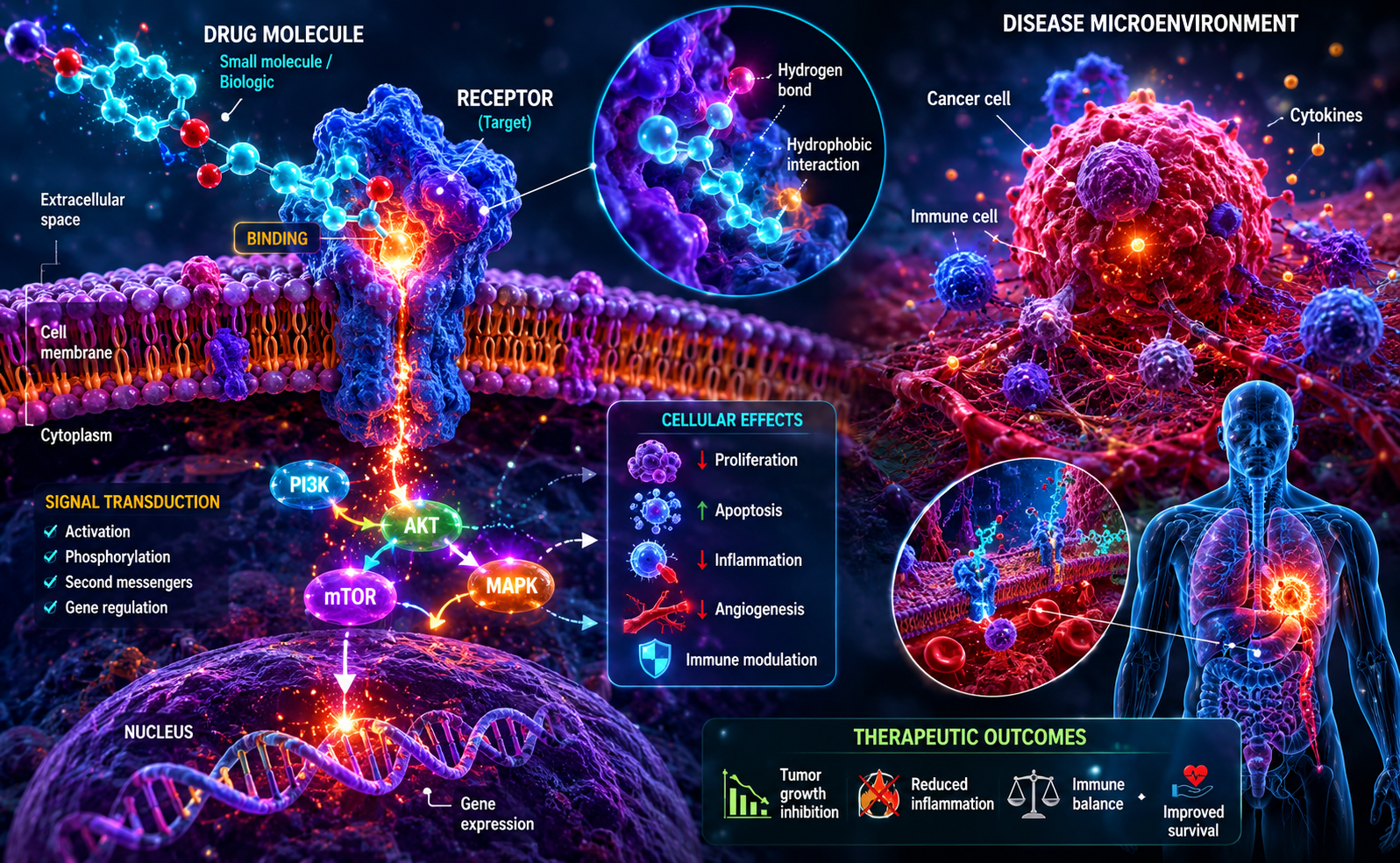
Mechanism of Action, universally abbreviated as MoA, fundamentally refers to the intricate biological or biochemical pathways through which a specific drug, therapeutic intervention, or other medical treatment precisely exerts its intended effect within a living system. An MoA animation provides a sophisticated visual representation of critical processes such as drug-target interactions, specific receptor binding, the dynamics of inhibition or activation, complex signaling pathways, cellular uptake mechanisms, intricate molecular interactions, immune responses, or the cascading downstream biological effects.
A well-crafted MoA animation should always commence by addressing the specific scientific question or communication objective it aims to convey. The visual sequence then meticulously establishes the relevant biological context before dynamically presenting the core mechanism itself. This mechanism can be expertly represented across several biological scales, encompassing the molecular, cellular, tissue, organ, or entire pathway level, with the appropriate level of detail meticulously chosen based on the scientific subject matter and the defined target audience.
MoA animations are particularly indispensable for pharmaceutical companies, biotechnology firms, life-science organizations, medical affairs teams, scientific communication specialists, product launch initiatives, medical congress content, investor communication, and various educational applications. It is crucial to emphasize that an MoA animation must never invent biological interactions merely to enhance visual appeal; rather, all visual decisions must be firmly grounded in available scientific references and meticulously aligned with the intended communication objective, ensuring unparalleled scientific accuracy.
MoA animation is particularly relevant to pharmaceutical and biotechnology communication, medical affairs, scientific presentations, product launches, congress content, investor communication, and education. The visual sequence should be based on appropriate scientific references, with the level of biological detail determined by the mechanism and intended audience.
Mechanism of Disease (MoD) Animation
Mechanism of Disease, or MoD, visualization meticulously explains how a specific disease develops, progresses, and ultimately impacts various biological systems within the body. An MoD animation can vividly illustrate the molecular, cellular, tissue, anatomical, or organ-level changes that are intrinsically associated with the onset and advancement of a particular disease.
This specialized form of disease visualization plays a crucial role in establishing the essential biological context before proceeding to explain the efficacy or function of a specific therapy or intervention. Depending on the nature of the disease, an animation may dynamically represent the intricate disease progression, the detailed pathological changes occurring, cellular responses at a microscopic level, complex signaling pathways, the extent of tissue damage, precise immune responses, or significant alterations in anatomy.
Crucially, the visual sequence must always clearly distinguish between established scientific knowledge and any simplified explanatory representations, maintaining a steadfast commitment to scientific accuracy. MoD animation is commonly used to establish biological context in pharmaceutical and biotechnology communication, medical education, scientific presentations, and disease-awareness materials. As with MoA animation, the visual representation should distinguish established scientific information from explanatory simplification.
Medical Device Animation
Medical device animation is a specialized 3D visualization service focused on elucidating the intricate design, precise functionality, and safe deployment of medical devices, how they interact seamlessly with human anatomy, and their proper use within clinical or procedural environments.
Life Render’s medical device animation service excels at visualizing how a device works, its interaction with anatomical structures, and its application in various clinical or procedural contexts. Projects for device animation can be meticulously developed from a variety of reliable sources, including precise CAD files, high-quality product images, detailed technical drawings, comprehensive user manuals, critical clinical references, established surgical workflows, internal presentations, and any client-provided device documentation.
The potential applications for such animations are vast and impactful, ranging from dynamic product launches, effective sales enablement tools, compelling investor presentations, and engaging trade show displays, to essential clinician education, clear patient communication, robust training programs, impactful conferences, and informative website content.
Surgical and Procedural Animation
Surgical and procedural animation, a core service of Life Render, focuses on delivering meticulously detailed step-by-step visualizations of surgical procedures, complex anatomical structures, intricate clinical workflows, advanced techniques, and various medical interventions.
Life Render’s surgical animation service is specifically tailored for procedural visualization, comprehensive surgical training, clear patient education, impactful clinical communication, detailed device-assisted procedures, and compelling healthcare presentations. The structured workflow typically involves thorough clinical discovery, precise procedure script and story development, detailed storyboard creation and surgical planning, meticulous 3D anatomy and procedure animation, high-quality rendering, rigorous medical review, iterative refinement based on feedback, and final delivery of the approved animation.
This type of 3D medical animation is designed for medical education, professional training, patient education, and crucial medical device communication, turning complex medical concepts into easy-to-understand visual narratives.
Scientific and Biotech Visualization
Scientific and biotech visualization, a vital service area for Life Render, involves the sophisticated 3D visualization of complex molecular biology, intricate biological processes, innovative biotechnology platforms, foundational research concepts, and groundbreaking scientific discoveries.
Life Render works extensively with biotechnology companies to create scientifically accurate, cinematic 3D animations that translate these often abstract and microscopic concepts into clear, engaging visual narratives. This type of scientific animation is meticulously designed to make highly complex scientific information more accessible and easier to communicate effectively to both highly technical audiences, such as fellow researchers and medical professionals, and non-technical stakeholders, including investors, marketing teams, and the general public. By simplifying complex medical concepts without compromising scientific integrity,
Life Render empowers organizations in the biotech sector to clearly articulate their innovations, research findings, and therapeutic approaches, fostering greater understanding and accelerating progress in critical scientific fields.
Clinical and Patient Education Animation
Clinical and patient education animation constitutes a crucial service offered by Life Render, providing visual explanations of diseases, treatments, procedures, anatomy, and various healthcare concepts. These animations are meticulously crafted for a diverse range of audiences, including healthcare professionals, students, and the broader public in need of accessible health information.
For clinical education, the animations are designed to provide in-depth, scientifically accurate portrayals that aid medical professionals in understanding complex pathologies, surgical techniques, or the mechanisms of new therapies. For patient education, the focus shifts to clarity, simplicity, and empowering patients with the knowledge needed to understand their conditions, treatment plans, and recovery processes, fostering greater engagement and informed decision-making. By transforming complex medical concepts into clear, visual stories, Life Render significantly enhances comprehension and retention for all stakeholders in the healthcare ecosystem.
Medical Explainer Videos
Medical explainer videos, a dedicated service offered by Life Render, are short, meticulously structured visual explanations designed to clarify complex medical, healthcare, scientific, disease, treatment, device, or procedural concepts.
These concise and engaging 3D medical animations serve a crucial role in delivering key information efficiently and effectively for both educational and broader communication purposes. Whether elucidating the function of a novel medical device for potential investors, explaining a complex disease mechanism to healthcare professionals, or simplifying a treatment protocol for patients, medical explainer videos are tailored to break down intricate subjects into digestible, visually compelling segments.
Life Render’s expertise ensures that these explainer videos maintain a high level of scientific accuracy while employing compelling visual storytelling to maximize audience comprehension and engagement, making complex medical concepts accessible and memorable.
Applications of Medical Animation
Medical animation extends its influence across a multitude of crucial applications, transforming how complex medical concepts are communicated and understood.
Pharmaceutical and Biotech Applications
Pharmaceutical and biotechnology companies extensively leverage 3D medical animation to communicate highly complex medical and biological concepts with exceptional clarity and scientific accuracy. Pharmaceutical teams, for instance, utilize animation for essential mechanism of action (MoA) communication, strategic product launches, broad scientific communication, comprehensive medical education, engaging congress content, vital internal training programs, impactful investor communication, and effective commercial communication initiatives.
Similarly, biotechnology companies harness animation to vividly explain their cutting-edge biological platforms, intricate molecular processes, pioneering research concepts, novel therapeutic approaches, advanced diagnostic technologies, or groundbreaking scientific discoveries. Pharmaceutical animation, a specialized form of scientific visualization, focuses on communicating detailed information about pharmaceutical products, innovative therapies, intricate biological mechanisms, nuanced disease processes, advanced treatment concepts, and various related scientific subjects.
It is paramount that pharmaceutical animation, particularly when used for regulated promotional communication, is firmly based on appropriate scientific references and meticulously approved product information, often subject to rigorous regulatory requirements such as those from the FDA in the United States. Biotech animation frequently centers on explaining fundamental biological mechanisms, advanced platforms, ongoing research, novel therapeutic concepts, cutting-edge diagnostics, or intricate technological advancements, enabling biotech companies to effectively bridge the gap between highly technical research and broader, impactful communication.
Life Render excels in pharma and biotech animation, providing specialized scientific animation for product launches, medical congress content, investor presentations, and comprehensive medical education, simplifying complex medical concepts for their intended audience.
Mechanism of Action and Drug Mechanism Visualization
3D animation can make drug mechanisms easier to understand by showing the sequence of biological events involved in a therapy’s activity. Depending on the available scientific evidence, an animation may visualize target binding, receptor interactions, inhibition or activation, cellular uptake, signaling pathways, immune responses, or downstream effects.
The appropriate level of visualization depends on the mechanism and audience. A medical affairs presentation may require detailed molecular and cellular relationships, while an investor presentation may focus more heavily on the therapeutic concept and scientific rationale.
For pharmaceutical and biotechnology organizations, MoA visualization can support scientific presentations, medical education, product launches, congress content, investor communication, and other forms of scientific storytelling.
Mechanism of Disease and Disease Progression
Mechanism of Disease, or MoD, visualization is designed to meticulously explain how a disease develops, progresses, and ultimately impacts biological systems, offering invaluable insights through dynamic 3D medical animation. An MoD animation can powerfully illustrate molecular, cellular, tissue, anatomical, or organ-level changes associated with a disease, effectively establishing the critical biological context before introducing a potential therapy or intervention.

Depending on the specific disease, an animation may represent disease progression, pathological changes, cellular responses, complex signaling pathways, tissue damage, immune responses, or significant anatomical alterations. It is paramount that the visual sequence clearly distinguishes between established scientific knowledge and any simplified explanatory representations, maintaining scientific accuracy at all times.
Life Render’s MoD animation service provides detailed visualization of disease development, progression, pathology, biological pathways, cellular events, tissue changes, and organ-level effects, proving exceptionally useful for pharmaceutical, biotech, medical education, and broader scientific communication efforts by clarifying complex medical concepts.
Medical Device Visualization
Medical device visualization, a specialized form of 3D medical animation, is indispensable for clearly explaining the functionality of a medical device, instrument, implant, diagnostic system, or advanced healthcare technology. A meticulously crafted device animation can effectively showcase device structure, internal components, precise device movement, deployment mechanisms, intricate assembly processes, internal operational mechanisms, crucial device-anatomy interaction, accurate surgical placement, procedural use, clinical workflow, unique product features, and detailed technical operation.
Such animations are particularly invaluable when static photographs or conventional product images simply cannot adequately communicate internal function or complex clinical use. Medical device animations serve a wide array of critical purposes, including dynamic product launches, effective sales enablement, comprehensive clinician education, robust training programs, impactful investor presentations, engaging conferences, informative websites, and clear patient communication.
It is imperative that device animations are developed using accurate product information, such as precise CAD files, detailed technical drawings, comprehensive product documentation, user manuals, critical clinical references, procedural information, and any client-provided specifications, ensuring scientific accuracy. Given that medical device promotional communications often have significant regulatory implications, all claims and visual representations must be thoroughly reviewed by appropriate medical, legal, regulatory, or compliance teams. Life Render’s medical device animation service specifically focuses on visualizing how a device works, how it interacts with anatomy, and how it is utilized in clinical or procedural contexts, simplifying complex medical concepts related to devices.
Surgical and Procedural Visualization
Surgical and procedural visualization, expertly delivered through 3D medical animation, is an an essential tool for clearly explaining intricate surgical procedures, complex anatomical relationships, the precise use of instruments and devices, the placement of implants, detailed treatment steps, and comprehensive procedural workflows. A well-designed surgical animation can present a procedure sequentially, from initial preparation through each critical surgical step, offering an unparalleled level of detail and clarity.
Key visual considerations for these animations include scientifically accurate anatomy, precise anatomical layers, correct instrument positioning, realistic device movement, accurate procedural sequence, optimal camera positioning, authentic tissue interaction, clear depiction of key surgical steps, and appropriate labels and annotations to enhance understanding. Surgical animation is instrumental in supporting comprehensive training programs, effective patient education, detailed procedural explanations, impactful clinical presentations, clear medical device communication, engaging investor communication, compelling conference content, and broad healthcare education initiatives.
It is crucial to understand that a procedural animation should always complement, rather than substitute for, formal surgical training, sound clinical judgment, professional instruction, or established institutional protocols. Life Render’s surgical animation service specializes in procedural visualization, surgical training, patient education, clinical communication, device-assisted procedures, and healthcare presentations, thereby simplifying complex medical concepts into actionable visual guidance.
Physician and Clinical Education
Physician and clinical education heavily relies on compelling visual material to enhance understanding of complex anatomy, intricate procedures, innovative technologies, diverse diseases, advanced treatments, and fundamental biological mechanisms.
3D medical animation offers a distinct advantage by effectively representing dynamic processes that are inherently challenging to communicate through static diagrams alone, making complex medical concepts more accessible. The appropriate level of scientific and clinical detail within an animation is meticulously determined by the intended audience; for professional education, animations must be developed with rigorous scientific and clinical references and undergo thorough review by relevant subject-matter experts, as required by the specific project.
Life Render excels in creating clinical education animations, providing visual explanations of diseases, treatments, procedures, anatomy, and healthcare concepts specifically tailored for healthcare professionals and students, fostering a deeper and more intuitive grasp of medical science.
Patient Education
Patient education through 3D medical animation prioritizes unparalleled clarity, appropriate terminology, visual simplicity, and a deep understanding of audience needs, effectively simplifying complex medical concepts for individuals.
Patient-facing content is meticulously designed to explain anatomy, various diseases, treatment options, medical procedures, the function of medical devices, preparation instructions, general treatment processes, and overarching healthcare concepts in an accessible manner. It is crucial that patient education content rigorously avoids unnecessarily technical terminology when a simpler, more understandable explanation is available and appropriate, ensuring that information is readily digestible.
While patient education animation serves as an invaluable educational communication tool, it must never be presented or interpreted as individualized medical advice. Life Render specializes in patient education animation, offering visual explanations of diseases, treatments, procedures, anatomy, and healthcare concepts specifically tailored for patients and public education, empowering individuals with knowledge about their health.
Medical Congress and Product Launch Content
Medical animations play a pivotal role in impactful medical congress presentations, engaging conference booths, strategic product launch campaigns, informative websites, compelling presentations, effective sales materials, and dynamic digital marketing campaigns.
In fast-paced conference environments, concise visual storytelling is paramount, as audiences often encounter content for brief periods, necessitating immediate impact and clear messaging. Product launch animations, a critical component of medical marketing, frequently focus on highlighting product differentiation, elucidating complex mechanisms of action (MoA) or disease (MoD), demonstrating medical device functionality, detailing surgical procedures, establishing crucial disease context, or presenting the underlying scientific rationale.
The primary objective of such an animation is to communicate a defined, impactful message rather than attempting to overload the audience with every available product detail, ensuring that complex medical concepts are conveyed with precision and purpose. Life Render specializes in creating MoA animation for product launches and medical congress content, as well as medical device animation suitable for product launches, and comprehensive pharma and biotech animation for both product launches and congress content, driving engagement and accelerating understanding.
Investor and Scientific Communication
Investors and business-development audiences often possess different scientific backgrounds compared to seasoned researchers, necessitating a clear and accessible approach to scientific communication.
3D scientific animation provides an exceptional visual explanation of the underlying technology, intricate biological mechanism, innovative platform, advanced medical device, groundbreaking research concept, or significant development opportunity, effectively bridging this knowledge gap.
When crafting investor-facing animation, it is absolutely critical to clearly distinguish between established evidence, research that is currently in development stages, hypotheses, and future possibilities. Visual storytelling, while compelling, must never exaggerate scientific certainty or make unsupported claims. Life Render excels in scientific and biotech visualization, meticulously designed to make complex scientific information easier to communicate effectively to both technical and non-technical audiences, including vital investor presentations.
Our MoA animation is frequently utilized for investor communication, and our comprehensive pharma and biotech animation services also incorporate investor presentations, ensuring that complex medical concepts are presented with both clarity and scientific integrity.
3D Medical Animation for Pharmaceutical Companies
Visualizing Complex Drug Mechanisms
Pharmaceutical products often depend on biological mechanisms that are difficult to communicate through text or static diagrams alone. 3D medical animation can visualize these mechanisms at the molecular, cellular, tissue, organ, or pathway level, depending on the scientific question being addressed.
Visual sequences can be used to show drug-target interactions, receptor binding, signaling pathways, cellular uptake, immune responses, or other relevant biological events. The visual approach should be determined by the available scientific evidence and the intended audience rather than by visual complexity alone.
For regulated promotional communication, pharmaceutical organizations should ensure that claims and visual representations are reviewed through their appropriate medical, legal, regulatory, and compliance processes.
Mechanism of Action Animation for Pharma
Mechanism of Action, commonly and efficiently abbreviated as MoA, refers to the precise biological or biochemical mechanism through which a drug, therapy, or other intervention produces its specific effect within the body.
An MoA animation from Life Render visually represents a diverse range of critical interactions, including drug-target binding, receptor interactions, inhibition or activation pathways, intricate signaling cascades, cellular uptake processes, complex molecular interactions, immune responses, or cascading downstream biological effects, all dependent on the specific therapy and available scientific evidence.
Our MoA animations are always initiated with a clear scientific question to be communicated, with the visual sequence meticulously establishing the relevant biological context before dynamically presenting the core mechanism itself. This mechanism can be expertly represented at various biological scales, encompassing the molecular, cellular, tissue, organ, or pathway level, tailored precisely to the communication objective. MoA animations are particularly indispensable for pharmaceutical, biotechnology, life-science, medical affairs, scientific communication, product launch, congress, investor, and educational applications.
It is a fundamental principle at Life Render that an MoA animation must never invent biological interactions solely for visual appeal; every visual decision is rigorously based on available scientific references and the defined communication objective, ensuring unparalleled scientific accuracy and credibility.
Communicating Drug Development and Therapeutic Concepts
Pharmaceutical animation, a cornerstone of our offerings at Life Render, skillfully leverages the power of animation and scientific visualization to communicate crucial information about pharmaceutical products, novel therapies, intricate biological mechanisms, complex disease processes, innovative treatment concepts, and a wide array of related scientific subjects.
Our scientifically accurate, cinematic 3D animations are designed to translate these complex medical and scientific concepts into clear, impactful visual narratives, effectively communicating mechanisms of action, treatments, and vital healthcare information. We empower pharmaceutical, biotechnology, and medical device company executives, who are tasked with conveying complex scientific discoveries to diverse stakeholders, by enabling them to effectively educate physicians, support successful product launches, enhance investor communication, and improve engagement across all stakeholder groups.
Furthermore, our animations provide invaluable support to scientific and medical communication specialists who need to convey detailed scientific information without oversimplifying or compromising precision, ensuring that even the most intricate concepts are communicated with both accuracy and clarity in drug mechanism communication and digital healthcare campaigns.
Medical Animation for Product Launches
Medical animations developed by Life Render are meticulously crafted to serve as powerful tools for strategic product launches, seamlessly integrating into product launch campaigns, informative websites, and impactful presentations.
These animations are designed to support successful product launches by offering compelling visual content that captivates and informs diverse audiences. Product launch animations frequently focus on critical aspects such as product differentiation, the underlying mechanism of action (MoA) or disease (MoD), the specific device function, the detailed procedure, the crucial disease context, or the overarching scientific rationale.
The primary objective of each animation is to communicate a precisely defined message, rather than attempting to overwhelm the audience with every available product detail, ensuring a focused and impactful delivery. Our specialized MoA animation and medical device animation services are particularly suitable for product launches, providing pharmaceutical, biotechnology, and medical device company executives with the visually engaging content necessary for a successful market entry and sustained engagement.
Medical Animation for Medical Affairs and Physician Education
Life Render’s medical animation services are instrumental in supporting medical affairs and physician education, providing scientifically accurate yet visually engaging educational materials for healthcare professionals.
Our animations are widely utilized for comprehensive medical education, impactful scientific presentations, engaging medical congress content, and vital internal training programs, enabling pharmaceutical, biotechnology, and medical device company executives to effectively educate physicians. Healthcare professionals benefit immensely from visual material to thoroughly understand intricate anatomy, complex procedures, innovative technologies, diverse diseases, advanced treatments, and fundamental mechanisms, as animation dynamically represents processes difficult to convey through static diagrams alone.
For professional education, our animations are developed with rigorous scientific and clinical references and undergo thorough review by relevant subject-matter experts, ensuring precision and credibility. Life Render provides effective training and demonstration tools that empower healthcare professionals and educators to grasp and communicate medical concepts with greater ease and clarity, bridging the gap between complex research and accessible information.
3D Medical Animation for Biotechnology Companies
Visualizing Complex Biological Processes
Biotechnology, at its core, involves the ingenious application of organisms, cells, or cell-derived components to develop groundbreaking products or execute invaluable functions across fields such as molecular biology, cellular biology, biochemistry, genetics, immunology, microbiology, virology, and protein science.
Life Render excels in scientific and biotech visualization, offering scientifically accurate, cinematic 3D animations that translate these highly complex medical and scientific concepts into clear visual narratives. Our work can dynamically communicate an expansive range of biological processes and scientific subjects, from intricate cellular activities, protein dynamics, and molecular interactions to complex genetic processes and cellular signaling pathways.
We visualize biological pathways, therapeutic platforms, cutting-edge research concepts, diagnostic processes, bioprocess methodologies, cellular engineering, and detailed protein structure and function. For pharmaceutical, biotechnology, and medical device company executives, as well as scientific and medical communication specialists who often struggle to accurately visualize intricate biological pathways and molecular interactions, We provide premium 3D medical animations, reviewed with medical and scientific context, ensuring precision and credibility in every visual story we tell.
Biotechnology Animation for Research and Communication
Biotechnology companies leverage our animation expertise to articulate their groundbreaking work in explaining biological platforms, intricate molecular processes, pioneering research concepts, novel therapeutic approaches, advanced diagnostic technologies, or significant scientific discoveries.
Our scientifically accurate, cinematic 3D animations are designed to translate complex medical and scientific concepts into clear visual narratives that effectively communicate these research concepts. As a specialized scientific animation provider for biotechnology communication, our work supports research presentations, crucial investor communication, strategic partner discussions, internal product development communication, engaging educational content, and compelling scientific storytelling. Scientific and biotech visualization, as offered by Life Render, makes complex scientific information more accessible and easier to communicate to both highly technical and non-technical audiences, ensuring that innovative research and discoveries are understood and appreciated across diverse stakeholders.
Communicating Biotech Platforms and Technologies
Biotechnology animation frequently focuses on elucidating intricate biological mechanisms, advanced platforms, groundbreaking research, novel therapeutic concepts, cutting-edge diagnostics, or innovative technologies.
We specialize in crafting scientifically accurate, cinematic 3D animations that translate these complex medical and scientific concepts into clear visual narratives, particularly when communicating with biotech platforms. Biotechnology companies often face the challenge of conveying highly technical research to audiences with varying levels of scientific knowledge, and our scientific animation provides an invaluable visual layer for impactful research presentations.
Scientific and biotech visualization, as a core offering, is meticulously designed to make complex scientific information more accessible and easier to communicate effectively to both technical and non-technical audiences, ensuring that the innovations and functionalities of biotechnology platforms are clearly understood.
Scientific Visualization for Investors and Partners
Biotech animation, as developed by us, is frequently instrumental in explaining intricate biological mechanisms, advanced platforms, pioneering research, novel therapeutic concepts, cutting-edge diagnostics, or innovative technologies.
Our scientifically accurate, cinematic 3D animations are specifically designed to enhance investor communication, supporting pharmaceutical, biotechnology, and medical device company executives in securing investment and effectively communicating complex scientific discoveries to diverse stakeholders. Scientific and biotech visualization, a cornerstone of our offerings, makes complex scientific information more accessible to both technical and non-technical audiences, including vital investor presentations and partner discussions.
When crafting investor-facing animation, it is imperative to clearly distinguish between established evidence, research in development stages, hypotheses, and future possibilities, ensuring that visual storytelling does not exaggerate scientific certainty. Life Render’s pharma and biotech animation services include comprehensive investor presentations, meticulously designed to convey scientific information with both clarity and integrity, fostering trust and understanding among investment communities and potential partners.
Medical Animation for Biotech Product Communication
Biotechnology companies, recognizing the power of visual communication, extensively utilize Life Render’s animation services to explain their innovative biological platforms, intricate molecular processes, pioneering research concepts, novel therapeutic approaches, advanced diagnostic technologies, or groundbreaking scientific discoveries.
Our scientifically accurate, cinematic 3D animations are expertly crafted to translate these complex medical and scientific concepts into clear visual narratives, effectively communicating mechanisms of action, mechanisms of disease, biological processes, research concepts, treatments, and crucial healthcare information.
Scientific animation provides an invaluable visual layer for robust product development communication and engaging educational content, ensuring that biotech product communication is precise, compelling, and comprehensible. Pharma and biotech animation, as specialized scientific animation, is a core offering for pharmaceutical and biotechnology communication, enabling these organizations to articulate their product advancements with unparalleled clarity and scientific integrity.
3D Medical Device Animation
Visualizing How a Medical Device Works
Medical device animation from us is a specialized 3D visualization service meticulously engineered to explain the precise functionality of a medical device, instrument, implant, diagnostic system, or cutting-edge healthcare technology.
Our expertise ensures that these animations clearly communicate medical device functionality. A device animation can dynamically showcase device structure, intricate internal components, precise device movement, deployment mechanisms, assembly processes, and complex internal mechanisms. This service is particularly invaluable when conventional photographs or product images cannot adequately communicate internal function or detailed clinical use. For instance, a device animation can employ dynamic cutaway views, transparent sections, exploded views, or internal camera paths to clearly elucidate functionality.
Our device animations are developed from accurate product information, including precise CAD files, detailed technical drawings, comprehensive product documentation, and user manuals, ensuring scientific accuracy. Life Render’s medical device animation service specifically focuses on visualizing how a medical device works, providing pharmaceutical, biotechnology, and medical device company executives with the clarity needed to communicate complex scientific discoveries to diverse stakeholders.
Showing Device-Anatomy Interaction
Our medical device animation service excels at visualizing how a device intricately interacts with anatomy, providing a comprehensive and dynamic understanding of device placement and function within the human body.
Our 3D medical animations are meticulously crafted to demonstrate device-anatomy interaction, showcasing the precise engagement of medical instruments, implants, or systems with biological structures. This capability is critical for explaining how a device functions in a clinical setting, often illustrating surgical placement and procedural use with unparalleled clarity.
For scientific and medical communication specialists who frequently struggle to accurately visualize intricate device mechanisms and their anatomical contexts, our medical device animation offers a powerful solution. This 3D visualization of medical device design, functionality, deployment, anatomy interaction, mechanisms, procedures, and product use ensures that the complex interplay between technology and biology is communicated with both precision and visual impact.
Demonstrating Surgical Device Procedures
Our medical device animation service is expertly focused on visualizing how a device is meticulously utilized within clinical or procedural contexts, providing clear and comprehensive demonstrations of surgical device procedures.
A device animation can powerfully demonstrate precise surgical placement and detailed procedural use, which is particularly vital when photographs or conventional product images cannot adequately communicate complex clinical applications. Our animations are designed to communicate medical device functionality and elaborate surgical and procedural workflows with exceptional clarity.
Surgical and procedural animation, a core offering, provides a step-by-step visualization of surgical procedures, intricate anatomical structures, crucial clinical workflows, advanced techniques, and various medical interventions. This type of 3D medical animation is indispensable for medical education, professional training, patient education, and critical device communication.
We empower healthcare professionals and educators, who require clear, step-by-step visual guides for training and for demonstrating intricate surgical techniques or device functions, by providing effective training and demonstration tools that enable them to grasp and communicate medical concepts with greater ease and clarity.
Medical Device Animation for Product Launches
Medical device animations developed by Life Render are meticulously crafted to support successful product launches, providing pharmaceutical, biotechnology, and medical device company executives with compelling visual content for market entry.
Our medical device animation services are highly suitable for product launches, offering dynamic and precise visualizations that articulate the unique value proposition of a new device. Product launch animations frequently emphasize key aspects such as product differentiation, the underlying mechanism, specific device function, or detailed procedural aspects.
These animations serve as powerful tools for communicating a defined message, ensuring that the target audience clearly understands the innovation and benefits of the medical device. By integrating seamlessly into product launch campaigns, websites, and presentations, our animations enhance engagement and accelerate comprehension, transforming complex medical concepts into easily digestible visual stories that drive product adoption and market success.
Medical Device Animation for Sales and Education
Our medical device animations are expertly developed for a broad range of critical applications, including impactful sales enablement, comprehensive clinician education, robust training programs, strategic investor presentations, engaging conferences, and informative websites.
Our animations are highly suitable for sales presentations, education, and training, empowering pharmaceutical, biotechnology, and medical device company executives responsible for educating healthcare professionals and sales teams. We provide effective training and demonstration tools that enable healthcare professionals and educators, who need to understand new therapies, devices, and procedures or are responsible for teaching others, to grasp and communicate medical concepts with greater ease and clarity.
By transforming complex medical concepts into accessible visual narratives, our animations ensure that sales teams are well-equipped to articulate product value and that clinicians receive the detailed education necessary for optimal patient care, driving both commercial success and professional development.
The Medical Animation Production Process
Project Discovery and Planning
The initial stage of any medical animation project at Life Render is centered on comprehensive project discovery and meticulous planning, with the paramount goal of clearly establishing the precise communication objective the animation needs to achieve. During this critical phase, we gather essential project information including the specific subject or product, the intricate scientific mechanism to be visualized, the intended audience, and the overarching communication goal. Additional helpful details encompass the desired animation duration, intended distribution channels, crucial scientific references, comprehensive product information, and any existing scripts. We also meticulously consider existing storyboards, relevant visual references, brand requirements, project deadlines, and the full scope of required deliverables. A clearly defined communication objective at this foundational stage is instrumental in streamlining the subsequent production work, ensuring efficiency and reducing unnecessary revisions. Life Render’s systematic production approach begins with this rigorous discovery phase and scientific review, laying a robust groundwork for all subsequent stages.
Scientific Research and Reference Material
The foundation of every scientifically accurate medical animation project at Life Render is built upon meticulous scientific research and the rigorous review of comprehensive reference materials.
These invaluable resources can include peer-reviewed publications, authoritative scientific papers, detailed product documentation, precise technical drawings, and accurate CAD files. Additionally, user manuals, clinical references, approved product information, complex pathway diagrams, internal scientific presentations, and extensive research materials are all utilized.
The selection of appropriate sources is always dictated by the specific project requirements, ensuring that all visual representations are firmly grounded in verifiable scientific data. These diverse reference materials provide the indisputable basis for determining precisely what should be visualized and how the intricate scientific relationships, anatomical structures, or device functions should be accurately represented. Life Render’s projects are developed around relevant scientific references, product information, anatomy, biological mechanisms, and strict client requirements, guaranteeing unparalleled scientific accuracy in every visual narrative we create.
Script Development
Script development is a pivotal phase in our medical animation production workflow, meticulously establishing the narrative backbone and defining all spoken or written information to be presented during the animation.
A well-crafted scientific script is designed to clearly distinguish the essential message from supporting information, ensuring that the core communication objective is always front and center. Crucially, the script must be precisely appropriate for the intended audience; a technically correct script can nonetheless be ineffective if it contains an excessive amount of information for the available animation duration, potentially overwhelming the viewer.
Our comprehensive production approach includes dedicated script development, where our team collaborates closely with clients to refine the narrative, terminology, and pacing, ensuring that the script is both scientifically accurate and highly engaging. This meticulous attention to script detail is fundamental to translating complex medical concepts into clear, concise, and impactful visual stories.
Storyboard and Visual Strategy
The development of a detailed storyboard and a clear visual strategy is a fundamental step in Life Render’s medical animation production workflow, serving to meticulously map out the entire visual sequence before full production commences.
A storyboard precisely defines scene order, dynamic camera movement, key actions, critical anatomical views, intricate device interactions, complex molecular events, essential labels, and seamless transitions. It also delineates narration cues and any on-screen text, ensuring a cohesive narrative flow. This meticulous storyboard development phase allows major communication decisions to be thoroughly reviewed and approved before embarking on detailed 3D production, significantly reducing the potential for costly revisions later in the process.
Life Render’s comprehensive production approach includes this vital stage of visual strategy and storyboard development, ensuring that every frame aligns perfectly with the client’s communication objectives and scientific accuracy, transforming complex medical concepts into a visually coherent and impactful story.
3D Modeling and Asset Development
3D modeling and asset development form a foundational stage in Life Render’s medical animation production workflow, involving the meticulous creation of all digital objects required for the animation.
Depending on the specific project, these models may encompass highly detailed human anatomy, individual organs, microscopic cells, intricate tissues, and complex molecules. Furthermore, medical devices, precise surgical instruments, implants, realistic clinical environments, and abstract scientific structures can all be digitally modeled.
The scope and complexity of the required modeling can significantly impact both the production time and overall cost of the project. At Life Render, our production approach includes advanced 3D modeling and asset development, ensuring that every visual element is crafted with scientific accuracy and an exceptional level of detail, transforming complex medical concepts into tangible, explorable 3D forms that are essential for compelling visual storytelling.
Animation and Motion Design
Animation and motion design constitute the dynamic core of Life Render’s production workflow, meticulously creating movement within the intricate 3D environment.
This critical stage brings scientific and medical concepts to life, depicting everything from subtle cellular processes to grand anatomical movements. Animation may include precise object movement, dynamic device deployment, specific surgical actions, intricate molecular interactions, and complex cellular processes. Furthermore, sophisticated camera movement, seamless anatomical transitions, exploded views for detailed inspection, precise cutaways, and comprehensive procedural sequences are all expertly animated.
The complexity of the animation is directly influenced by the number of objects involved, the intricacy of the actions, any required simulations, the range of camera movements, the quantity of scenes, and the sophistication of the interactions. Life Render’s production approach includes this essential animation production, ensuring that every movement is scientifically accurate, visually compelling, and precisely aligned with the communication objectives, effectively translating complex medical concepts into dynamic visual narratives.
Lighting, Materials, and Rendering
Lighting, materials, and rendering are pivotal stages in our medical animation production workflow, profoundly influencing the final appearance and visual clarity of every animation.
Meticulous lighting choices enhance depth, highlight critical details, and evoke appropriate moods, while precisely crafted materials define how light interacts with surfaces, giving objects realistic textures and reflections. Rendering is the computational process that transforms the fully animated 3D scene into the final sequence of high-quality image frames.
Achieving more complex lighting, intricate materials, realistic simulations, sophisticated visual effects, and demanding photorealistic requirements can significantly increase the overall production needs, requiring advanced computational resources and expert artistic direction. Life Render’s comprehensive production approach includes these crucial phases of lighting and rendering, ensuring that the final animation possesses a premium visual quality that is both scientifically accurate and aesthetically compelling, effectively translating complex medical concepts into visually stunning and comprehensible content.
Scientific Review and Revisions
Scientific accuracy is an absolutely paramount consideration throughout Life Render’s medical animation production, as the visual representation profoundly influences how an audience understands a biological or clinical concept. Our production workflow rigorously incorporates scientific review and revisions to uphold this principle.
Scientific accuracy extends far beyond merely making anatomy appear realistic; it encompasses correct anatomical relationships, precise biological interactions, appropriate molecular representation, accurate device dimensions and functionality, correct procedural sequencing, appropriate terminology, accurate scientific claims, and judicious visual simplification.
Life Render offers scientifically accurate 3D medical animations, meticulously reviewed with medical and scientific context in mind, ensuring precision and credibility. This rigorous review process, a core part of our production approach, involves close collaboration with scientific and medical communication specialists who require high-quality, peer-reviewable visual assets that maintain absolute scientific integrity, ensuring that complex medical concepts are not only visually engaging but also impeccably factual.
Final Rendering and Delivery
The final stages of our medical animation production workflow, post-production and delivery, are crucial for transforming the meticulously crafted animation into a polished, ready-to-use asset.
Post-production encompasses a range of essential tasks including precise editing, sophisticated compositing, clear typography, accurate labels, immersive sound design, seamless voiceover integration, expert color adjustments, compelling visual effects, and final formatting tailored to specific output requirements. The final deliverables are precisely determined by the intended use and distribution platforms. Potential delivery environments are diverse and include engaging websites, impactful presentations, major conferences, informative trade shows, crucial investor meetings, effective sales presentations, comprehensive training programs, clear patient education materials, dynamic digital campaigns, and vital internal communications.
Life Render’s production approach culminates in this final delivery phase, ensuring that every project is meticulously prepared and formatted to maximize its impact and effectively communicate complex medical concepts across all intended channels, fulfilling the precise needs of our clients worldwide.
Ensuring Scientific Accuracy in Medical Animation
Scientific accuracy is a fundamental consideration in medical animation because visual representations influence how audiences understand biological and clinical concepts.
We are committed to this principle, ensuring that our scientifically accurate 3D medical animations are meticulously reviewed within the appropriate medical and scientific context, thereby guaranteeing unparalleled precision and credibility. For pharmaceutical, biotechnology, and medical device companies, as well as healthcare and academic institutions, the ability to translate complex medical concepts into clear, accurate visual narratives, without compromising scientific integrity, is essential for effective communication and education.
Working From Scientific References
At Life Render, every animation project is meticulously developed around relevant scientific references, comprehensive product information, detailed anatomy, precise biological mechanisms, and strict client requirements.
These scientific references can encompass a broad spectrum of authoritative sources, including peer-reviewed publications, seminal scientific papers, exhaustive product documentation, precise technical drawings, critical CAD files, user manuals, clinical references, approved product information, complex pathway diagrams, internal scientific presentations, and extensive research materials. The selection of the most appropriate sources is always dictated by the unique demands of each project.
These diverse reference materials provide the indisputable foundation for determining precisely what should be visualized and how the intricate scientific relationships, anatomical structures, or device functions should be accurately represented. Importantly, an MoA animation, for instance, must never invent biological interactions merely to enhance visual appeal; instead, all visual decisions must be firmly grounded in available scientific references and meticulously aligned with the intended communication objective, ensuring unparalleled scientific accuracy and communication effectiveness.
Anatomical and Biological Accuracy
Scientific accuracy in medical animation extends far beyond merely achieving realistic anatomical appearances; it critically involves the precise representation of correct anatomical relationships and intricate biological interactions.
Anatomical structures must be depicted appropriately for the specific purpose of the animation, with the required level of anatomical realism carefully calibrated to the subject matter and the target audience. For instance, a patient education animation may judiciously employ simplified anatomy to enhance clarity, whereas a surgical training animation often demands considerably more exacting anatomical detail to facilitate precise procedural understanding. Similarly, an MoA animation might prioritize the nuanced molecular and cellular relationships over comprehensive anatomical realism, focusing intently on the mechanism of action.
We meticulously develop projects around relevant scientific references, product information, anatomy, biological mechanisms, and client requirements, understanding that scientific and medical communication specialists often grapple with accurately visualizing intricate biological pathways, molecular interactions, or complex device mechanisms, thus our focus on precision and clarity is paramount.
Balancing Scientific Detail With Visual Clarity
Scientific visualization frequently necessitates a degree of simplification because it is inherently impossible to depict every single biological detail simultaneously without overwhelming the viewer. This simplification, however, must be executed judiciously to preserve the fundamental scientific relationship that the animation is intended to explain.
Adding an abundance of scientific detail does not automatically enhance an animation’s utility; in fact, an animation can become exceedingly difficult to follow if too many structures, labels, pathways, or processes are presented concurrently. A professional medical animation company like Life Render adopts an approach that meticulously identifies the key scientific message and then precisely determines which details are absolutely necessary to communicate it effectively.
Employing visual hierarchy strategically can significantly help distinguish primary events from supporting information, ensuring that scientific and medical communication specialists can convey detailed scientific information without oversimplifying or losing precision, thereby achieving paramount scientific clarity and communication-first storytelling.
Medical and Scientific Review
In the regulated landscapes of pharmaceutical and medical-device communications, many materials may necessitate rigorous review by medical, legal, and regulatory teams, with the specific requirements often depending on their intended use and governing jurisdiction.
For instance, FDA guidance extensively addresses pharmaceutical promotional communications, medical product communications, critical risk information, and meticulous medical-device labeling. It is imperative that promotional materials, including medical animations, scrupulously avoid making unsupported or misleading claims. Visual representations must meticulously align with the claims and information that have been approved or are otherwise robustly supported for the intended communication.
While Life Render’s production workflow includes scientific review to ensure intrinsic accuracy, the animation production team should not be considered the final authority for regulatory approval. Clients must proactively involve their appropriate medical, legal, regulatory, compliance, and scientific reviewers when such oversight is required, ensuring that all visual content is not only scientifically accurate but also fully compliant and credible.
Avoiding Oversimplification
Scientific visualization, by its very nature, often requires a strategic degree of simplification due to the sheer impossibility of depicting every single biological detail simultaneously within a coherent narrative. However, this simplification must be executed with utmost care to ensure it precisely preserves the fundamental scientific relationship that the animation is intended to explain. The core principle is that visual storytelling should never, under any circumstances, exaggerate scientific certainty or inadvertently misrepresent complex data.
For example, a scientific animation must not imply that a research finding has been clinically validated unless robust supporting evidence unequivocally establishes that conclusion. Scientific and medical communication specialists are acutely aware of the need to convey detailed scientific information without oversimplifying or losing precision, a challenge that Life Render addresses by focusing on scientific clarity, thereby delivering premium 3D medical animation that maintains both accuracy and integrity.
Medical Animation Production Timelines
Understanding the typical production timelines for 3D medical animation is crucial for effective project planning and resource allocation. At Life Render, we provide transparent and realistic timelines, recognizing that each medical animation project is unique and requires a tailored approach. Our experience in medical animation services ensures that we balance scientific accuracy with efficient delivery, providing clients with a clear roadmap from concept to final delivery.
How Long Does a 3D Medical Animation Take?
The duration required to produce a 3D medical animation is a critical factor influencing project planning and overall cost. Life Render currently publishes approximate project ranges to provide clients with a clear expectation:
| Animation Type | Approximate Duration |
| Short educational or simple scientific animations | 3–5 weeks |
| Standard 60–90 second medical animations (moderate complexity) | 6–10 weeks |
| Advanced projects (intricate MoA, detailed MoD, complex medical device, sophisticated surgical animation) | 10–14+ weeks (or longer depending on demands) |
These figures are indicative ranges, reflecting our specialized workflow, rather than universal industry standards. It is important to remember that production timelines directly impact pricing, and a final quotation for medical animation services requires a thorough review of the proposed timeline and project scope.
Factors That Affect Production Time
The production time for a 3D medical animation can vary significantly, influenced by a multitude of factors that collectively define the project’s scope and complexity. Key determinants include the overall animation duration, the scientific complexity of the subject matter, and the number of distinct scenes required to tell the story.
Additional critical factors encompass the number of unique 3D assets that need to be modeled, the specific modeling requirements (e.g., anatomical detail, molecular intricacy), the desired level of visual realism, and any necessary simulation requirements (e.g., fluid dynamics, molecular interactions). Furthermore, the time allocated for script development and storyboard development, the number and length of client review cycles, the speed of client feedback, voiceover requirements, specific final delivery requirements (e.g., multiple formats, resolutions), and any hard deadlines or rush production requests all play a substantial role.
A short animation with relatively simple visual requirements will naturally demand considerably less production effort than a highly detailed, 90-second molecular or surgical animation. Therefore, the final timelines are meticulously determined by the comprehensive project scope, available references, animation length, the specifics of the review process, the efficiency of client approvals, and the required delivery date, all of which directly impact the final pricing for premium medical animation services.
Project Scope and Animation Length
The project scope and the intended animation length are fundamental factors that critically influence the overall production time for any 3D medical animation. While animation duration is a key consideration, it is crucial to understand that animation length alone does not singularly determine the final price or production timeline.
For instance, a short but exceptionally complex molecular animation, perhaps depicting intricate protein-ligand interactions or cellular signaling pathways, may require substantially more intensive production work and specialized expertise than a longer animation utilizing simpler visuals, such as a basic anatomical overview. Life Render’s published indicative production ranges cater to these variations, distinguishing between short scientific or educational animations, standard 60-90 second medical animations, and advanced animations that demand higher levels of detail and scientific accuracy.
The exact workflow for medical animation services is always tailored to the specific project scope and requirements, with final pricing and timelines dependent on a comprehensive review of the animation length and the entire production scope.
Scientific Complexity and Visual Detail
The scientific complexity of the subject matter and the desired level of visual detail are paramount factors that significantly impact the production time and overall cost of a 3D medical animation. Production time varies directly with scientific complexity, the required visual realism, and any intricate simulation requirements. Scientific complexity, particularly for MoA animation or MoD animation, is a primary pricing driver for medical animation services.
A concise yet profoundly complex molecular animation, necessitating meticulous accuracy in depicting sub-cellular or biochemical interactions, may demand considerably more intensive production work than a longer animation that employs simpler, more generalized visuals. At Life Render, we emphasize that final pricing for medical animation depends heavily on both scientific complexity and the desired visual detail. Consequently, final timelines are also directly influenced by scientific complexity, requiring a thorough review of all scientific references and the visual intricacy desired to provide an accurate quotation for 3D medical animation services.
Review and Revision Cycles
The efficiency of review cycles and the speed of client feedback are critical determinants that profoundly influence the overall production time for any 3D medical animation project. Revision cycles, representing the iterative process of incorporating client feedback and refining the animation, are also a significant pricing factor for medical animation services.
Extensive or frequent revision requests can naturally extend the project timeline and increase costs. Life Render’s production approach is meticulously designed to include structured review and refinement stages, ensuring that clients have ample opportunity to provide feedback at key milestones. This systematic process helps manage expectations and streamline approvals.
We clearly state that final timelines for medical animation projects depend on the specific revision requirements and the approval speed of the client. Consequently, final pricing is also directly impacted by the expected review requirements and the anticipated number of revision cycles, emphasizing the importance of clear communication and efficient feedback throughout the animation production process.
Final Deliverables and Formats
The specific requirements for final delivery are a crucial factor influencing the overall production time for a 3D medical animation. The nature of these final deliverables is meticulously determined by the intended use and the various distribution platforms where the animation will be showcased. Potential delivery environments are exceptionally diverse and can include dynamic websites, impactful presentations, major conferences, informative trade shows, crucial investor meetings, effective sales presentations, comprehensive training programs, clear patient education materials, engaging digital campaigns, and vital internal communications.
Each of these platforms may necessitate distinct specifications regarding video resolution, aspect ratio, file format (e.g., MP4, MOV, WebM), compression codecs, and even specific audio requirements. Life Render’s comprehensive production approach culminates in this final delivery phase, ensuring that every project is meticulously prepared and formatted to maximize its impact and effectively communicate complex medical concepts across all intended channels, thereby fulfilling the precise needs of our clients worldwide. A final quotation for 3D medical animation services therefore requires a thorough review of all required deliverables.
How Much Does 3D Medical Animation Cost?
Understanding the investment required for 3D medical animation is a key consideration for companies evaluating medical animation services. At Life Render, we believe in transparent, project-based pricing, recognizing that each medical animation is a unique scientific and creative endeavor. Our focus on scientific accuracy and visual quality means that costs are aligned with the complexity and specialized expertise required.
What Determines Medical Animation Pricing?
Medical animation pricing is inherently project-specific, reflecting the unique scientific and visual demands of each endeavor. It is crucial to understand that animation length alone does not dictate the final cost. For example, a short but exceptionally complex molecular animation, depicting intricate cellular or biochemical interactions, may require substantially more intensive production work, specialized expertise, and a higher investment than a longer animation that utilizes simpler visuals or more generalized anatomical representations.
Life Render operates on a project-based pricing model, where the final quotation is meticulously confirmed after a thorough review of several key factors: the scientific references provided, the intended animation length, the desired visual complexity, the expected revision requirements, and the required delivery date. This comprehensive assessment ensures that our pricing for 3D medical animation services accurately reflects the intricate scope and specialized skill involved in transforming complex medical concepts into clear, scientifically accurate visual narratives.
3D Medical Animation Cost Factors
The cost of 3D medical animation services is influenced by a comprehensive array of factors that define the complexity and scope of each project. Paramount among these pricing factors are the scientific complexity of the subject matter, the overall animation duration, and the number of distinct scenes required to convey the narrative effectively.
Additionally, the number of unique 3D models that need to be created, the specific modeling requirements (e.g., anatomical precision, molecular detail), the desired level of visual realism (e.g., photorealism vs. stylized), and the overall animation complexity (e.g., character animation, intricate motion paths) are critical determinants. Further influencing factors include the need for complex simulations (e.g., fluid dynamics, tissue deformation), script development, storyboard development, voiceover integration, sound design, the number and nature of client review requirements, the anticipated revision cycles, specific final delivery requirements (e.g., multiple formats, high resolution), strict deadlines, and any requests for expedited or rush production.
Life Render ensures that final pricing for our premium 3D medical animation services is comprehensively determined by these elements: scientific complexity, animation length, visual detail, production scope, review requirements, revision requirements, and the final delivery timeline.
Scientific Complexity
The scientific complexity of the subject matter stands as one of the most significant and influential pricing factors for 3D medical animation. Projects that delve into highly intricate biological pathways, nuanced molecular interactions, or advanced physiological processes naturally demand greater scientific expertise, meticulous research, and more sophisticated animation techniques to ensure absolute accuracy.
This often involves detailed consultation with subject-matter experts and a more extensive development phase for specialized 3D models and precise animation sequences. Life Render explicitly states that final pricing for our medical animation services is directly dependent on scientific complexity, acknowledging the specialized skill and effort required to transform highly complex medical concepts into scientifically accurate and visually compelling narratives. Therefore, a thorough review of all scientific references is an essential prerequisite for providing an accurate quotation for any 3D medical animation project.
Animation Length and Number of Scenes
The overall animation duration and the number of distinct scenes required are significant pricing factors in 3D medical animation. A longer animation naturally necessitates more production time for animating, rendering, and post-production, while a higher scene count often implies more unique 3D models, diverse environments, and complex transitions.
However, it is crucial to understand that animation length alone does not singularly determine the final price. A shorter animation with exceptionally high scientific complexity or intricate visual detail, such as a focused MoA animation, may command a higher cost than a longer, simpler educational video. Life Render clearly states that final pricing for medical animation services is dependent on animation length, alongside other critical factors, to ensure that the quotation accurately reflects the comprehensive scope of work involved in bringing complex medical concepts to life visually.
3D Modeling and Asset Requirements
The number of unique 3D models that need to be created and the specific modeling requirements for each asset are crucial pricing factors in 3D medical animation. Projects requiring a large library of bespoke anatomical structures, complex molecular representations, highly detailed medical devices, or intricate cellular components will naturally incur higher costs due to the extensive time and specialized skill involved in their meticulous creation.
The level of detail demanded for each model—whether it’s photorealistic rendering of a specific organ or a generalized representation for patient education—also plays a significant role. Accurate 3D modeling forms the foundational visual elements for any medical animation, ensuring that all structures are scientifically precise and visually compelling, effectively transforming complex medical concepts into tangible, explorable forms within the animation.
Level of Visual Detail
The desired level of visual detail, encompassing factors such as realism, texture intricacy, and overall aesthetic quality, is a crucial pricing determinant for 3D medical animation. Projects aiming for hyper-realistic anatomical rendering or highly detailed molecular visualizations require significantly more time for meticulous modeling, advanced texturing, complex lighting setups, and computationally intensive rendering processes.
In contrast, a more stylized or simplified visual approach, often suitable for patient education or general explainers, may involve less demanding production techniques. Life Render explicitly states that final pricing for medical animation services is dependent on the desired visual detail, reflecting the specialized artistic and technical expertise required to achieve varying levels of visual fidelity. This ensures that the investment aligns with the client’s specific aesthetic goals and the overall communication objective, effectively translating complex medical concepts into visuals of appropriate quality.
Revision and Review Requirements
The number and nature of review requirements, along with the anticipated revision cycles, are significant pricing factors for 3D medical animation services. Projects that stipulate numerous review stages, require approvals from multiple stakeholders (e.g., medical, legal, regulatory teams), or involve a potentially high volume of iterative revisions will naturally incur higher costs due to the extended project management, client communication, and artist time dedicated to these processes.
Life Render’s production workflow explicitly includes structured review and revisions to ensure scientific accuracy and client satisfaction. We emphasize that final pricing for medical animation is directly dependent on these review and revision requirements, as they directly impact the overall production timeline and resource allocation. Clear communication of review expectations at the outset is essential for providing an accurate and transparent quotation for transforming complex medical concepts into precise visual narratives.
Production Timeline
The required production timeline, particularly the presence of strict deadlines or requests for rush production, is a critical pricing factor for 3D medical animation services. Expedited timelines often necessitate reallocating resources, scheduling overtime, or deferring other projects, all of which incur additional costs.
A standard production timeline allows for a more efficient and cost-effective workflow, accommodating the intricate steps of scientific research, script development, 3D modeling, animation, rendering, and review. Life Render clearly states that final pricing for medical animation is directly dependent on the required delivery date, acknowledging the premium associated with accelerated project completion. Therefore, clients seeking rapid turnaround for their medical animation projects should anticipate that a faster production timeline will typically translate into a higher investment for bringing their complex medical concepts to life.
Typical Starting Prices for Medical Animation
Life Render, a premium 3D medical animation company, provides transparent starting price ranges to help clients budget and understand the investment required for specialized medical animation services. Our current published starting ranges are as follows:
| Animation Type | Starting Price Range |
| Scientific or Educational Animation | $8,000+ |
| Medical Device Animation | $12,000+ |
| Surgical Animation | $15,000+ |
| Mechanism of Action (MoA) or Mechanism of Disease (MoD) Animation | $30,000+ |
It is crucial to note that these are starting ranges, not fixed prices, as the final project cost is confirmed only after a comprehensive review of the scientific references, animation length, visual complexity, revision requirements, and required delivery date for each unique project. This approach ensures that our pricing accurately reflects the specialized skill and meticulous production involved in transforming complex medical concepts into high-quality, scientifically accurate 3D medical animation.
How to Choose a 3D Medical Animation Company
Selecting the right 3D medical animation company is a pivotal decision for any organization aiming to communicate complex medical concepts effectively. It requires a discerning evaluation of various factors beyond just visual aesthetics. A leading medical animation studio should demonstrate a profound understanding of medical science, coupled with exceptional production quality and a client-focused approach, ensuring that your investment translates into impactful, scientifically accurate visual communication.
What Should You Look for in a Medical Animation Company?
When evaluating potential medical animation services, a company should meticulously consider several key attributes to ensure a successful partnership and impactful deliverables. Foremost among these is the prospective studio’s demonstrated scientific understanding and a portfolio that is directly relevant to your specific project needs. Essential factors also include the quality of their 3D production, extensive experience in medical visualization, and a proven track record with the intended subject matter (e.g., MoA, medical device, surgical). The ability to thoroughly understand scientific references, a clear and well-defined script and storyboard process, and a structured review process are equally critical.
Beyond technical capabilities, assess their communication practices, project management methodologies, revision process, the range of final deliverables offered, usage requirements, pricing transparency, and their typical production timelines. It is paramount that a portfolio is evaluated not merely for superficial visual quality, but rather for its direct relevance to the scientific and communication objectives of your project, ensuring the chosen 3D medical animation company can truly bring your complex medical concepts to life with accuracy and impact.
Scientific Expertise and Accuracy
When evaluating medical animation services, a paramount consideration is the scientific understanding possessed by the prospective company. Scientific accuracy is an absolutely critical factor in medical animation because the visual representation profoundly influences how an audience comprehends a biological or clinical concept.
A truly strong project meticulously balances scientific accuracy, visual clarity, appropriate detail, a coherent narrative structure, precise audience needs, technical quality, and production feasibility. Life Render explicitly positions itself around scientifically accurate 3D medical animation, emphasizing scientific clarity as a core principle. Our projects are rigorously developed around relevant scientific references, comprehensive product information, detailed anatomy, precise biological mechanisms, and strict client requirements.
We recognize that scientific and medical communication specialists often struggle to accurately visualize intricate biological pathways, molecular interactions, or complex device mechanisms, requiring high-quality, peer-reviewable visual assets that maintain scientific integrity. Therefore, Life Render offers scientifically accurate 3D medical animations, meticulously reviewed with medical and scientific context in mind, ensuring unparalleled precision and credibility in every visual story.
Quality of 3D Production
When evaluating medical animation services, the quality of 3D production is a critical factor, directly impacting the professionalism and effectiveness of the final visual assets. A strong medical animation project achieves an optimal balance among scientific accuracy, visual clarity, appropriate detail, a compelling narrative structure, precise audience needs, superior technical quality, and production feasibility.
Life Render distinguishes itself as a 3D medical animation and scientific visualization company specializing in premium visual communication, placing a strong emphasis on cinematic 3D execution as one of its three core principles, alongside scientific clarity and communication-first storytelling. Our production structure is designed to provide an efficient model while rigorously maintaining a focus on exceptional visual quality and impactful scientific communication.
Life Render delivers premium 3D medical animations that expertly simplify complex scientific concepts into clear, accurate, and memorable visual narratives. Scientific and medical communication specialists require high-quality visual assets; our cinematic 3D quality and communication-first design are specifically engineered to help these specialists translate complex data and mechanisms into clear and engaging visual stories.
Relevant Pharma, Biotech, and Medtech Experience
When evaluating medical animation services, a company must critically assess the prospective studio’s relevant portfolio and demonstrated experience with the intended subject matter, particularly within the pharmaceutical, biotechnology, and medical device sectors. For instance, an organization seeking a highly complex MoA animation should meticulously examine whether the studio has demonstrated robust capabilities in molecular, cellular, pathway, or pharmaceutical visualization.
A medical device company, conversely, should ascertain whether the studio can accurately represent device mechanisms, intricate anatomy interaction, precise clinical workflows, and proper procedural use. Similarly, a surgical project demands an evaluation of the studio’s proficiency in anatomical accuracy, procedural sequencing, instrument representation, and clear clinical communication. Life Render is specifically focused on serving pharmaceutical, biotechnology, medical device, healthcare, scientific, and medical communication audiences. We proudly state that we work with pharmaceutical companies, biotechnology firms, healthcare organizations, medical device manufacturers, academic institutions, research teams, and related entities, ensuring our deep industry experience translates into scientifically accurate and impactful 3D medical animation.
Portfolio and Previous Work
When evaluating medical animation services, a critical step is to thoroughly examine the prospective company’s relevant portfolio and review their previous work. It is paramount that a portfolio is assessed not merely for general visual quality or aesthetic appeal, but specifically for its direct relevance to the scientific subject matter and communication objectives of your project.
For example, if you are seeking a complex MoA animation to visualize a new drug mechanism, you should meticulously examine whether the studio has demonstrated proven capabilities in molecular, cellular, pathway, or pharmaceutical visualization within their past projects. Similarly, a medical device company should scrutinize the portfolio for examples that illustrate the studio’s ability to accurately represent device mechanisms, intricate anatomy interaction, precise clinical workflows, and proper procedural use.
For a surgical animation project, the portfolio should showcase expertise in anatomical accuracy, fluid procedural sequencing, realistic instrument representation, and clear clinical communication, ensuring the chosen 3D medical animation company can effectively translate your complex medical concepts.
Production Workflow
A typical professional medical animation project, particularly when handled by a leading medical animation studio like Life Render, follows a meticulously structured production workflow to ensure scientific accuracy and visual quality. This comprehensive process can include initial discovery and project planning, rigorous scientific reference review, precise audience and communication objective definition, and detailed script development. Subsequent stages involve visual strategy formulation, meticulous storyboard development, compelling style-frame creation, intricate 3D modeling and asset development, and dynamic animation.
The workflow continues with sophisticated lighting and materials application, high-quality rendering, client review and revisions, final editing and post-production, and culminating in final delivery. Life Render’s production approach begins with robust discovery and scientific review, followed by script and visual strategy, meticulous storyboard development, detailed style frames, core 3D animation production, iterative review, refinement, and ultimately, final delivery. The exact workflow, of course, is always tailored according to the unique project scope and specific requirements, ensuring optimal efficiency and exceptional results for every medical animation.
Communication and Project Management
When evaluating medical animation services, effective communication and robust project management are absolutely critical factors that can significantly influence the success and efficiency of the entire production process. A leading medical animation studio understands that clear, consistent, and timely communication is essential for aligning expectations, relaying scientific details, clarifying visual preferences, and managing revisions seamlessly.
Strong project management ensures that timelines are adhered to, budgets are maintained, and all stakeholders are kept informed at every stage of the animation production. This proactive approach helps mitigate potential challenges, streamlines the review process, and fosters a collaborative environment. At Life Render, we prioritize transparent communication and meticulous project management to ensure that our clients’ complex medical concepts are not only accurately visualized but also delivered smoothly, on schedule, and to the highest standards of quality.
Review and Revision Process
When evaluating medical animation services, a clear and well-defined review and revision process is an absolutely critical factor to consider, as it directly impacts project efficiency, scientific accuracy, and client satisfaction. A structured review and revision process is an integral stage within any typical professional medical animation project, ensuring that feedback is incorporated systematically and effectively. Life Render’s production workflow is meticulously designed to include dedicated review and refinement stages, providing clients with ample opportunities to provide input at key milestones.
This iterative process allows for the integration of scientific, medical, and strategic feedback, ensuring that the final animation accurately reflects the intended message and meets all objectives. Importantly, revision cycles are also a significant pricing factor for medical animation, as they influence the overall production timeline and resource allocation. Life Render explicitly states that final pricing depends on review requirements and revision requirements, emphasizing the importance of a clear and collaborative feedback loop in delivering high-quality 3D medical animation.
Pricing and Scope Transparency
When evaluating medical animation services, the transparency of a company’s pricing and scope definition is a paramount consideration, fostering trust and clarity throughout the project. It is crucial for clients to understand that medical animation pricing is inherently project-specific, tailored to the unique scientific complexity, visual demands, and communication objectives of each endeavor. Life Render operates on a project-based pricing model, ensuring that our quotations are meticulously transparent and comprehensively detailed. We state that final pricing for our 3D medical animation services is dependent on a precise assessment of scientific complexity, animation length, visual detail, the overall production scope, specific review requirements, anticipated revision requirements, and the final delivery timeline.
A comprehensive and accurate quotation therefore necessitates a thorough review of the scientific references, project scope, animation duration, visual complexity, required deliverables, and the desired timeline, ensuring that clients have a clear understanding of their investment in transforming complex medical concepts into compelling visual narratives.
Final Deliverables and Usage Requirements
When evaluating medical animation services, it is crucial to consider the range of final deliverables and the specific usage requirements for the animation. The nature of these final deliverables is meticulously determined by the intended use and the various distribution platforms where the animation will be showcased. Potential delivery environments are exceptionally diverse and can include dynamic websites, impactful presentations, major medical conferences, informative trade shows, crucial investor meetings, effective sales presentations, comprehensive training programs, clear patient education materials, engaging digital campaigns, and vital internal communications.
Each of these platforms may necessitate distinct specifications regarding video resolution, aspect ratio, file format (e.g., MP4, MOV, WebM), compression codecs, and even specific audio requirements. A comprehensive quotation for 3D medical animation services requires a thorough review of all required deliverables, ensuring that the final assets are perfectly optimized for their intended purpose and effectively communicate complex medical concepts across all channels.
Medical Animation Services From Life Render
3D Medical Animation
Life Render is a distinguished 3D medical animation and scientific visualization company, strategically based in Colombo, Sri Lanka, yet globally recognized for its premium services. Our core expertise lies in crafting scientifically accurate 3D medical animations, which serve as powerful tools for scientific storytelling and advanced visualization strategy.
We pride ourselves on a cinematic 3D production approach, ensuring that every animation not only conveys complex medical and biological concepts with unparalleled clarity but also captivates its audience with stunning visual quality. Our service positioning consistently emphasizes meticulous scientific accuracy, exceptional cinematic 3D quality, communication-focused storytelling, and highly efficient production workflows, making us the preferred partner for pharmaceutical, biotechnology, medical device, healthcare, education, research, and scientific communication needs.
Mechanism of Action Animation
Life Render specializes in Mechanism of Action (MoA) animation, offering advanced 3D scientific visualization tailored for pharmaceutical, biotechnology, and broader life-science applications. Our MoA animation services are designed to vividly illustrate how a drug, biologic, therapy, or treatment exerts its effects at the molecular, cellular, tissue, or pathway level.
We expertly visualize intricate processes such as receptor binding, complex molecular interactions, cellular uptake mechanisms, precise immune responses, detailed biological pathways, and specific treatment-related mechanisms. The comprehensive MoA workflow at Life Render encompasses thorough scientific discovery, meticulous script and story development, detailed storyboard and visual planning, precise 3D modeling and animation, high-quality rendering, iterative review, refinement based on expert feedback, and final delivery, ensuring that each animation is scientifically accurate and profoundly impactful for scientific communication, medical education, product launches, investor communication, and healthcare marketing.
Mechanism of Disease Animation
Life Render provides Mechanism of Disease (MoD) animation, a specialized 3D visualization service that meticulously explains the development, progression, and pathological processes of various conditions. Our MoD animations vividly depict biological pathways, intricate cellular changes, tissue alterations, and organ-level effects, offering a profound understanding of disease dynamics.
The comprehensive workflow for our MoD animations includes in-depth disease research and scientific discovery, compelling disease story development, detailed storyboard and disease pathway planning, precise 3D disease visualization and animation, rigorous scientific review, iterative refinement, and final delivery. This visual explanation of disease progression is an invaluable tool for pharmaceutical, biotechnology, medical education, and scientific communication, translating complex medical concepts into accessible and accurate visual narratives.
Medical Device Animation
Life Render offers highly specialized medical device animation, providing premium 3D visualization of medical device design, intricate functionality, precise deployment, and crucial interaction with human anatomy. Our services expertly demonstrate internal mechanisms, detailed surgical procedures, and optimal product use. These animations are indispensable for various applications, including dynamic product launches, compelling sales presentations, comprehensive education programs, rigorous training, and effective broader healthcare communication.
We empower medical device companies to articulate the benefits and operational intricacies of their innovations with unparalleled clarity and scientific accuracy, simplifying complex medical concepts and ensuring that the visual storytelling is both impactful and informative for all stakeholders.
Surgical and Procedural Animation
Life Render provides expert surgical and procedural animation services, meticulously crafting step-by-step visual explanations of complex surgical techniques, intricate anatomical structures, and detailed clinical workflows. These animations are precisely designed for paramount clarity in surgical training, comprehensive physician education, and accessible patient education.
Our surgical, procedural, and patient education animations are renowned for transforming highly complex medical information into clear, easy-to-follow sequences. This visual approach significantly improves understanding, builds trust, and facilitates informed decision-making for both medical professionals and patients, by translating complex medical concepts into actionable and comprehensible visual narratives.
Scientific and Biotech Visualization
Life Render specializes in scientific and biotech visualization, offering premium 3D scientific animation meticulously tailored to illustrate complex molecular biology, intricate biological processes, and groundbreaking biotechnology platforms.
Our services extend to clarifying fundamental research concepts and innovative scientific discoveries, providing an indispensable visual layer for understanding the unseen. We empower biotechnology companies and scientific organizations to effectively communicate their cutting-edge advancements, research findings, and therapeutic approaches with unparalleled clarity and scientific accuracy, making complex scientific information accessible to both highly technical and non-technical audiences.
Clinical and Patient Education Animation
Life Render is a leader in clinical and patient education animation, offering visually compelling explanations of diseases, treatments, procedures, anatomy, and various healthcare concepts. Our animations are specifically designed to enhance understanding for both healthcare professionals and patients, effectively bridging the knowledge gap in the healthcare industries.
For patients, our surgical, procedural, and patient education animations transform complex information into clear, step-by-step sequences, significantly improving comprehension, building trust, and supporting informed decision-making. By simplifying complex medical concepts, we ensure that critical health information is accessible and engaging for all audiences.
Pharma and Biotech Animation
Life Render specializes in pharma and biotech animation, offering highly specialized scientific animation services for pharmaceutical and biotechnology communication. Our expertise encompasses a broad range of critical applications, including detailed Mechanism of Action (MoA) and Mechanism of Disease (MoD) animations, visualization of cutting-edge research, impactful product launches, engaging congress content, crucial investor presentations, and comprehensive medical education.
We work closely with leading pharmaceutical and biotechnology companies to translate their complex medical and scientific concepts into clear, scientifically accurate, and cinematic 3D visual narratives, ensuring effective communication across diverse audiences within the healthcare industries.
Medical Explainer Videos
Life Render creates compelling medical explainer videos, designed as concise and informative 3D medical animations that distill complex medical, healthcare, scientific, disease, treatment, device, or procedural concepts into easily digestible visual narratives.
These short, engaging videos serve as powerful tools for both educational and broader communication purposes across various healthcare industries. By transforming intricate subjects into clear, accessible segments, our medical explainer videos effectively convey essential information with scientific accuracy and visual appeal, simplifying complex medical concepts for a wide range of audiences.
Frequently Asked Questions
What Is 3D Medical Animation?
3D medical animation is a sophisticated form of scientific and medical visualization that utilizes three-dimensional computer-generated imagery, dynamic animation, precise camera movement, nuanced lighting, realistic materials, and compelling visual effects to represent complex medical, biological, anatomical, pharmaceutical, biomedical, surgical, or highly technical concepts.
This powerful medium excels at illustrating structures and processes that are inherently difficult to observe directly or to explain adequately using static photographs, diagrams, or conventional illustrations. The primary purpose of 3D medical animation is effective communication, serving to clarify complex medical concepts for diverse audiences.
Achieving this requires meticulous attention to anatomical structures, precise biological relationships, robust scientific references, pertinent clinical context, and a clearly defined communication objective, ensuring that the visual narrative is both scientifically accurate and profoundly impactful. Life Render, as a premium 3D medical animation and scientific visualization company, excels in this specialized field, translating complex medical and scientific concepts into clear visual narratives with cinematic quality and scientific integrity.
What Is a Medical Animation Used For?
The primary purpose of a medical animation is effective communication, serving to explain complex medical concepts to a wide array of audiences including healthcare professionals, researchers, patients, students, investors, sales teams, internal stakeholders, and attendees at conferences. Pharmaceutical teams frequently deploy medical animation for crucial mechanism of action communication, strategic product launches, broad scientific communication, comprehensive medical education, engaging congress content, vital internal training, impactful investor communication, and effective commercial communication.
Biotechnology companies leverage animation to clarify biological platforms, intricate molecular processes, pioneering research concepts, novel therapeutic approaches, advanced diagnostic technologies, or groundbreaking scientific discoveries. Medical device companies utilize animation to explain device construction, functionality, deployment, detailed anatomy interaction, clinical workflows, complex surgical procedures, or overall product use.
Life Render’s specialized work in 3D medical animation is thus instrumental in communicating mechanisms of action, mechanisms of disease, medical device functionality, surgical and procedural workflows, biological processes, research concepts, treatments, and essential healthcare information, finding applications in product launches, medical congress content, investor presentations, sales enablement, physician education, scientific communication, clinical education, patient education, research communication, and healthcare marketing.
What Is a Mechanism of Action Animation?
Mechanism of Action, universally abbreviated as MoA, fundamentally refers to the intricate biological or biochemical pathway through which a specific drug, therapy, or other intervention precisely produces its intended effect. An MoA animation is a specialized 3D visualization that can dynamically represent critical drug-target interactions, precise receptor binding, the nuances of inhibition or activation, complex signaling pathways, cellular uptake mechanisms, intricate molecular interactions, immune responses, or cascading downstream biological effects, all tailored to the specific therapy and available scientific evidence.
A well-crafted MoA animation must always begin by establishing the relevant biological context before dynamically presenting the core mechanism, which can be expertly represented across various biological scales, including molecular, cellular, tissue, organ, or pathway level. MoA animations are particularly relevant to pharmaceutical, biotechnology, life-science, medical affairs, scientific communication, product launch, congress, investor, and educational applications. Life Render specializes in MoA animation, providing scientifically accurate 3D visualizations that explain how a drug, biologic, therapy, or treatment works at various biological levels, making complex medical concepts accessible for scientific communication, medical education, product launches, investor communication, and healthcare marketing.
What Is a Mechanism of Disease Animation?
Mechanism of Disease, or MoD, animation is a specialized 3D visualization that meticulously explains how a disease develops, progresses, or impacts biological systems within the body. An MoD animation can powerfully illustrate molecular, cellular, tissue, anatomical, or organ-level changes associated with the onset and advancement of a particular disease.
This type of disease visualization plays a crucial role in establishing the essential biological context before proceeding to explain a therapy or intervention. Depending on the nature of the disease, an animation may dynamically represent intricate disease progression, detailed pathological changes, cellular responses at a microscopic level, complex signaling pathways, the extent of tissue damage, precise immune responses, or significant alterations in anatomy.
It is paramount that the visual sequence clearly distinguishes between established scientific knowledge and any simplified explanatory representations, maintaining a steadfast commitment to scientific accuracy. Life Render’s MoD animation services provide a visual explanation of disease development, progression, biological pathways, cellular changes, and pathological processes, proving invaluable for pharmaceutical, biotechnology, medical education, and broader scientific communication efforts by clarifying complex medical concepts.
How Is 3D Medical Animation Made?
The production of 3D medical animation involves a meticulous, multi-stage workflow, ensuring scientific accuracy and visual quality. A typical professional medical animation project at Life Render encompasses initial discovery and comprehensive project planning, rigorous scientific reference review, and precise definition of the audience and communication objectives. This is followed by detailed script development, visual strategy formulation, meticulous storyboard development, and the creation of compelling style frames. The core production phases include advanced 3D modeling and asset development, dynamic animation, sophisticated lighting and materials application, and high-quality rendering. The process then moves to iterative client review and revisions, thorough final editing and post-production, and culminates in the final delivery of the animation.
While this comprehensive workflow underpins most projects, it is essential to note that not every animation requires the exact same steps; a shorter educational animation may necessitate less extensive development than a highly complex molecular, surgical, or medical device project, allowing Life Render to tailor its workflow precisely according to project scope and requirements.
How Long Does Medical Animation Production Take?
The production time for medical animation is highly variable, directly influenced by factors such as animation duration, the scientific complexity of the subject matter, and the number of scenes involved. Other critical determinants include the quantity of unique 3D assets requiring modeling, specific modeling requirements, the desired level of visual realism, and any necessary simulation requirements. Furthermore, the time allocated for script development and storyboard development, the number and length of client review cycles, the speed of client feedback, voiceover requirements, specific final delivery specifications, and any strict deadlines or rush production requests all significantly affect the overall timeline.
Life Render currently publishes approximate project ranges to guide clients: short educational or simple scientific animations typically take approximately 3–5 weeks; standard 60–90 second medical animations generally require about 6–10 weeks; and advanced MoA, MoD, device, or surgical animations typically extend to approximately 10–14+ weeks or even longer, reflecting the intricate demands of these complex medical concepts.
How Much Does 3D Medical Animation Cost?
The cost of 3D medical animation varies by project because production requirements can differ substantially. Scientific complexity, animation length, number of scenes, 3D modeling requirements, visual detail, review cycles, deliverables, and production timelines can all affect the final price. The number of unique 3D models required, specific modeling demands, the desired level of visual realism, and the overall animation complexity also significantly influence cost. Additional factors include the need for complex simulations, script development, storyboard development, voiceover integration, sound design, client review requirements, anticipated revision cycles, specific final delivery specifications, strict deadlines, and any requests for expedited production.
Life Render employs a project-based pricing model, with final pricing confirmed only after a thorough review of scientific complexity, animation length, visual detail, overall production scope, review requirements, revision requirements, and the required delivery timeline. Our current starting ranges include: Scientific / Educational Animation from $8,000+; Medical Device Animation from $12,000+; Surgical Animation from $15,000+; and Mechanism of Action / Mechanism of Disease Animation from $30,000+. These are starting ranges, not fixed prices, reflecting our commitment to premium, scientifically accurate 3D medical animation.
What Information Does a Medical Animation Company Need to Start a Project?
To initiate a successful medical animation project, a company like Life Render requires comprehensive information to precisely define the project scope and ensure scientific accuracy. Useful project information includes the specific subject or product, the intricate scientific mechanism to be visualized, the intended audience, and the overarching communication objective. Additionally, the desired animation duration, intended distribution channels, crucial scientific references (e.g., scientific papers, whitepapers, studies), detailed product information (e.g., drug mechanism, disease pathway, device description), any existing scripts or storyboards, visual references, brand requirements, project deadlines, and specific required deliverables are all highly beneficial.
A clearly defined communication objective at the outset is instrumental in streamlining subsequent production work. Life Render’s projects are developed around relevant scientific references, product information, anatomy, biological mechanisms, and strict client requirements. A final quotation for 3D medical animation services necessitates a thorough review of the scientific references, scope, animation duration, visual complexity, required deliverables, and the desired timeline, ensuring that every complex medical concept is accurately and effectively translated into visual form.
Conclusion: Choosing the Right 3D Medical Animation Partner
Choosing a 3D medical animation company is ultimately about more than visual quality. The right partner needs to understand the scientific subject, identify the communication objective, translate complex information into a clear visual narrative, and manage the production process from research and scripting through modeling, animation, review, and final delivery.
For pharmaceutical, biotechnology, medical device, healthcare, and scientific organizations, the most important considerations include scientific accuracy, relevant experience, production quality, communication, review processes, timelines, and transparent project scope.
Life Render creates premium 3D medical animation and scientific visualization for organizations that need to communicate complex medical and scientific concepts with clarity. Our services include mechanism of action and mechanism of disease animation, pharmaceutical and biotech visualization, medical device animation, surgical and procedural animation, clinical and patient education content, and medical explainer videos.
If you are planning a medical animation project, the next step is to define the scientific subject, intended audience, communication objective, approximate duration, available references, and required delivery date. These details provide the foundation for determining the appropriate visual approach, production scope, timeline, and budget.