Table of Contents
- What Is Mechanism of Action (MoA) Animation?
- Why Pharmaceutical Companies Use MoA Animation
- How Mechanism of Action Animation Works
- Types of Mechanism of Action Animation
- Benefits of MoA Animation
- Applications Across the Drug Development Lifecycle
- Mechanism of Action Animation vs. Mechanism of Disease Animation
- Ensuring Scientific Accuracy
- The Complete Production Process
- Choosing the Right Medical Animation Studio
- How Much Does a Mechanism of Action Animation Cost?
- Best Practices
- Common Mistakes to Avoid
- Measuring Success
- Frequently Asked Questions
- Conclusion
What Is Mechanism of Action (MoA) Animation? The Complete Guide for Pharmaceutical, Biotech, and Medical Device Companies
Modern medicine is becoming increasingly sophisticated. Today’s therapies often involve molecular engineering, monoclonal antibodies, targeted oncology treatments, gene therapies, RNA technologies, and advanced medical devices that operate through highly specific biological mechanisms. While these innovations offer remarkable clinical potential, they also introduce a significant communication challenge.
Researchers understand the science behind these therapies, but physicians, investors, commercial teams, healthcare providers, regulators, and patients often need that science translated into a format that is easier to understand. Scientific publications, pathway diagrams, and pharmacology data are essential resources, yet they rarely provide the clarity needed for presentations, product launches, medical education, or investor communication.
This is where Mechanism of Action (MoA) animation plays a critical role.
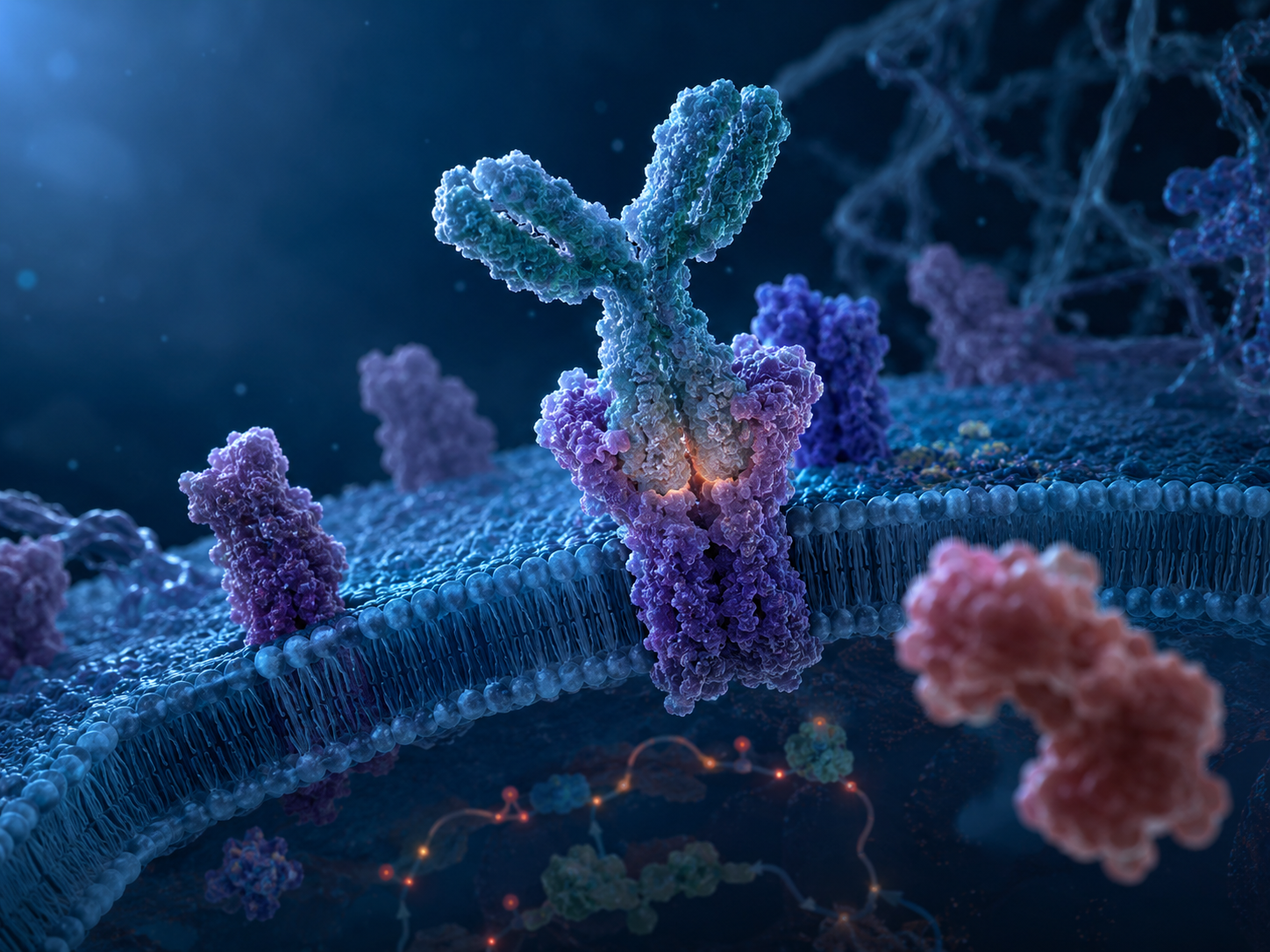
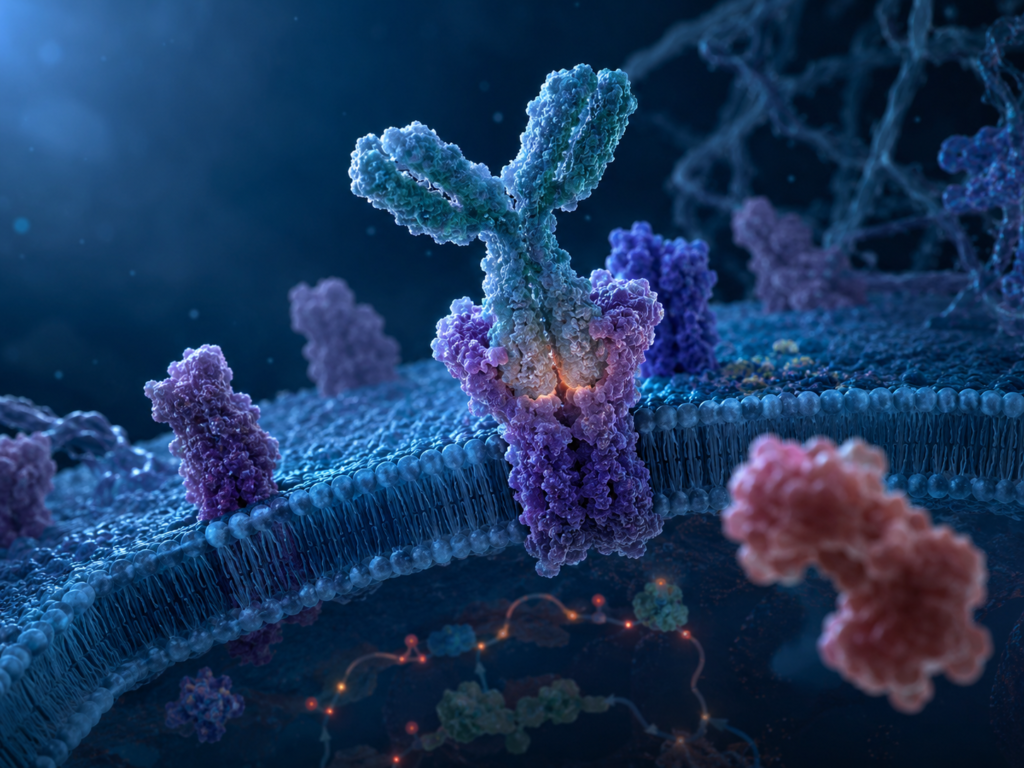
By combining molecular biology, pharmacology, scientific storytelling, and 3D medical animation, pharmaceutical companies can transform complex biological processes into compelling visual experiences that improve understanding while maintaining scientific accuracy.
Today, mechanism of action videos have become one of the most valuable communication assets throughout the pharmaceutical product lifecycle. They help explain how a drug works at the molecular level, demonstrate therapeutic differentiation, educate healthcare professionals, support clinical trial communication, and simplify complex medical concepts for diverse audiences.
Whether introducing a first-in-class biologic, launching a novel medical device, educating physicians about a targeted therapy, or presenting to investors, a professionally produced mechanism of action animation enables organizations to communicate science with confidence and clarity.
In this comprehensive guide, you’ll learn:
- What a mechanism of action animation is
- How MoA animations are created
- Why pharmaceutical and biotech companies invest in them
- Where they are used throughout drug development
- How scientific accuracy is maintained
- What influences production costs
- How to choose the right medical animation studio
- Best practices for achieving the greatest communication impact
What Is a Mechanism of Action (MoA) Animation?
A Mechanism of Action (MoA) animation is a scientifically accurate visualization that illustrates how a pharmaceutical product, biologic, medical device, or therapeutic intervention produces its intended biological effect inside the human body.
Unlike traditional explainer videos or static medical illustrations, MoA animations visualize biological processes that cannot be observed directly. They show molecular interactions, receptor binding, cellular responses, biochemical pathways, and physiological changes occurring at the cellular and molecular level.
These animations are built using published scientific evidence, structural biology data, pharmacology research, and expert review to ensure they accurately represent current scientific understanding.
A high-quality MoA animation transforms highly technical information into an engaging visual narrative that can be understood by researchers, physicians, healthcare professionals, commercial teams, investors, and—in simplified formats—even patients.
Rather than asking an audience to imagine microscopic events, mechanism of action videos allow them to watch these interactions unfold in real time.
What Does a Mechanism of Action Animation Show?
Depending on the therapy being explained, a MoA animation may illustrate:
- Drug–receptor binding
- Ligand interactions
- Enzyme inhibition
- Signal transduction pathways
- Protein activation
- Immune system responses
- Antibody mechanisms
- Cellular uptake
- Molecular transport
- Gene expression
- Disease progression
- Therapeutic intervention
- Biological processes at the molecular level
- Medical device interaction with anatomy
- Cellular and molecular responses to treatment
Because these biological events occur on microscopic scales, animation provides one of the most effective methods for visualizing invisible scientific processes.
What Makes MoA Animation Different from a Standard Medical Animation?
Medical animation is a broad category that includes patient education videos, surgical animations, anatomy visualization, physiology demonstrations, clinical training materials, and scientific illustrations.
A mechanism of action animation is more specialized.
Its primary purpose is to explain how a therapy works, rather than simply showing anatomy or demonstrating a medical procedure.
For example:
| Medical Animation | Mechanism of Action Animation |
|---|---|
| Explains anatomy | Explains molecular mechanisms |
| Demonstrates surgical procedures | Demonstrates drug activity |
| Shows physiological systems | Shows receptor binding and signaling pathways |
| Used for education and training | Used for pharmaceutical communication, medical affairs, investor presentations, and product launches |
Because MoA animations require a deep understanding of pharmacology, molecular biology, and scientific visualization, they often involve collaboration between scientific writers, molecular biologists, medical illustrators, pharmacologists, and experienced 3D animation specialists.
Why Pharmaceutical Companies Use Mechanism of Action Animation
Developing an innovative therapy is only part of the challenge. Equally important is helping others understand why that innovation matters.
Today’s pharmaceutical organizations communicate with many different audiences, each requiring a different level of scientific detail.
These audiences include:
- Physicians
- Specialists
- Healthcare professionals
- Researchers
- Medical affairs teams
- Regulatory reviewers
- Investors
- Sales representatives
- Marketing teams
- Patients
- Clinical investigators
A researcher may want to understand receptor pharmacology in depth, while an investor is more interested in the therapy’s competitive advantage. Patients generally need a simplified explanation that focuses on treatment benefits rather than molecular signaling pathways.
Mechanism of action animation bridges these communication gaps by adapting complex scientific information into a visual format appropriate for each audience.
Common Uses for MoA Animations
Leading pharmaceutical companies use MoA animations throughout product development and commercialization.
Common applications include:
- Product launches
- Medical congress presentations
- Scientific conferences
- Healthcare professional education
- Medical affairs communication
- Clinical trial patient education
- Sales representative training
- Internal scientific communication
- Digital marketing campaigns
- Investor presentations
- Website content
- Social media campaigns
- Scientific storytelling for global audiences
Because one animation can often be adapted into shorter videos, conference presentations, educational modules, and digital assets, it becomes a long-term investment rather than a single marketing deliverable.
Why 3D Medical Animation Is So Effective
Scientific information is inherently visual. Proteins bind to receptors, antibodies recognize antigens, immune cells migrate through tissues, and signaling molecules activate biological pathways. Attempting to describe these dynamic processes using text alone often leads to confusion.
A professionally produced 3D medical animation makes these invisible interactions visible.
Instead of reading several pages of scientific explanation, viewers can watch a therapy interact with cells, proteins, and tissues in a matter of minutes. This visual approach improves comprehension, increases engagement, and helps audiences retain complex information more effectively.
For pharmaceutical companies, this translates into stronger scientific communication, more impactful presentations, and clearer product differentiation.
How Mechanism of Action Animation Works
Every successful Mechanism of Action (MoA) animation begins with one goal: translating complex biological science into a visual story that is accurate, engaging, and easy to understand.
Unlike traditional marketing videos, MoA animations are built upon published scientific evidence. Every protein, receptor, signaling pathway, and therapeutic interaction shown on screen should represent current scientific understanding rather than artistic interpretation.
The production process combines expertise from multiple disciplines, including molecular biology, pharmacology, medicine, scientific illustration, and 3D animation.
Rather than simply creating attractive visuals, professional medical animation studios build scientifically validated assets that communicate complex medical concepts with precision.
From Scientific Literature to Visual Storytelling
The first stage of every project involves gathering scientific evidence.
Reference materials commonly include:
- Peer-reviewed journal articles
- FDA prescribing information
- EMA assessment reports
- Clinical trial publications
- Protein Data Bank (PDB) structures
- Cryo-electron microscopy (Cryo-EM) data
- X-ray crystallography
- Molecular modeling studies
- Internal research documents
- Investigator brochures
- Scientific advisory board recommendations
Scientific writers review these materials to identify the therapy’s primary biological mechanism before developing a clear communication strategy.
Instead of attempting to visualize every molecular interaction, the animation focuses on the events that are most important for the intended audience.
Creating Scientifically Accurate 3D Models
Once the scientific narrative is approved, artists begin constructing digital models.
Depending on the project, these may include:
- Proteins
- Antibodies
- Cell membranes
- Enzymes
- DNA
- RNA
- Viruses
- Healthy cells
- Diseased cells
- Human anatomy
- Medical devices
Every model is carefully designed to balance biological realism with visual clarity.
Highly realistic molecular environments may look impressive, but excessive complexity can distract viewers from the key scientific message. The best animations simplify without becoming scientifically misleading.
Bringing Biology to Life
After the digital assets are complete, animation begins.
This stage visualizes biological processes such as:
- Drug-target binding
- Cellular signaling
- Immune activation
- Protein interactions
- Enzyme inhibition
- Molecular transport
- Cell migration
- Disease progression
- Therapeutic response
Motion, lighting, camera movement, labels, and narration all work together to create a compelling scientific story.
The result is more than an animation—it becomes a communication tool capable of explaining invisible biological events in a way that static illustrations never could.
Types of Mechanism of Action Animation
Not every therapy requires the same visualization approach.
Different scientific objectives call for different animation styles, levels of detail, and storytelling techniques.
Molecular Animation
Molecular animation focuses on interactions occurring at the smallest biological scale.
Typical subjects include:
- Protein binding
- Enzyme inhibition
- Ligand interactions
- Receptor activation
- Signal transduction
- Molecular transport
This style is particularly common in pharmaceutical marketing and scientific presentations because it clearly demonstrates how therapies interact with biological targets.
Cellular Animation
Cellular animation expands beyond individual molecules to illustrate how entire cells respond to treatment.
Examples include:
- T-cell activation
- Cancer cell apoptosis
- Immune responses
- Stem cell differentiation
- Cellular migration
- Inflammatory pathways
These animations help audiences understand biological responses that occur after molecular interactions take place.
Medical Device Animation
Medical device animation combines engineering visualization with anatomy and physiology.
Instead of explaining pharmacology alone, these animations demonstrate how a device functions inside the human body.
Examples include:
- Catheter deployment
- Orthopedic implants
- Cardiovascular devices
- Surgical robotics
- Diagnostic technologies
- Implantable medical devices
For MedTech companies, this approach helps physicians understand both the device and its clinical benefits.
Interactive Scientific Visualization
Some organizations require more than a traditional video.
Interactive scientific visualizations allow users to:
- Rotate molecules
- Explore biological pathways
- Compare treatment mechanisms
- Toggle annotations
- Examine individual components
- Navigate complex biological systems
These experiences are increasingly used for physician education, sales training, and digital learning platforms.
Benefits of Mechanism of Action Animation
High-quality MoA animation delivers measurable value across scientific communication, education, marketing, and commercialization.
Rather than presenting complex medical information through lengthy documents or static graphics, organizations can communicate sophisticated concepts in a format that audiences understand quickly.
Simplifies Complex Medical Concepts
Many modern therapies involve biological mechanisms that cannot be observed directly.
Mechanism of Action animations transform these invisible interactions into visual stories that make difficult concepts easier to understand.
This is especially valuable when communicating:
- Targeted therapies
- Immunotherapies
- Gene therapies
- Cell therapies
- Precision medicine
- Novel biologics
Improves Scientific Communication
Different stakeholders often require different levels of scientific detail.
Researchers may want highly detailed molecular biology, while investors typically prefer broader explanations focused on therapeutic differentiation.
Animation allows organizations to adapt scientific storytelling for multiple audiences without changing the underlying science.
Increases Audience Engagement
People naturally process visual information faster than text.
Animated scientific content generally captures attention longer than:
- Scientific papers
- Presentation slides
- Static diagrams
- Traditional illustrations
This makes MoA videos particularly valuable during conferences, webinars, and product launches.
Supports Healthcare Professional Education
Healthcare professionals must stay informed about rapidly evolving therapies.
MoA animations help explain:
- New treatment mechanisms
- Clinical advantages
- Therapeutic differentiation
- Disease biology
- Drug interactions
These resources are commonly used in continuing medical education (CME), physician training, and medical affairs programs.
Strengthens Commercial Communication
Commercial teams frequently use mechanism of action videos during:
- Product launches
- Sales training
- Marketing campaigns
- Investor presentations
- Medical congresses
When physicians and stakeholders clearly understand how a therapy works, they are more likely to appreciate its clinical value.
Applications Across the Drug Development Lifecycle
Mechanism of Action animation provides value at every stage of pharmaceutical development.
Rather than serving only marketing teams, these visual assets support research, clinical development, regulatory communication, commercialization, and education.
Drug Discovery
During early research, visualization helps scientists communicate:
- Disease biology
- Therapeutic targets
- Protein interactions
- Molecular pathways
- Hypothesis development
Animation allows multidisciplinary research teams to discuss complex biological processes using a shared visual language.
Preclinical Development
As therapies move toward clinical evaluation, animations become useful for explaining:
- Pharmacology
- Biological pathways
- Drug-target interactions
- Expected therapeutic outcomes
Research teams often use these visuals during internal meetings and scientific collaborations.
Clinical Development
Clinical trial communication benefits from clear visualization.
Applications include:
- Investigator meetings
- Clinical site training
- Patient education
- Trial recruitment
- Scientific advisory boards
Animations can improve understanding of treatment mechanisms without overwhelming viewers with technical terminology.
Regulatory Communication
Although regulatory agencies primarily evaluate scientific evidence rather than marketing materials, animations are valuable for internal education and advisory discussions.
Organizations frequently use them to communicate:
- Biological rationale
- Therapeutic differentiation
- Mechanistic evidence
- Clinical relevance
Every animation intended for regulated environments should undergo thorough scientific and legal review.
Commercialization
Following regulatory approval, MoA animations become versatile communication assets.
They support:
- Product launches
- Healthcare professional education
- Medical affairs
- Sales enablement
- Conference presentations
- Investor relations
- Website content
- Digital marketing
- Social media campaigns
A single high-quality animation can often be adapted into multiple formats, increasing its long-term value.
Mechanism of Action Animation vs. Mechanism of Disease (MoD) Animation
Although these terms are sometimes used interchangeably, they serve different communication objectives.
Understanding the distinction helps organizations choose the right type of scientific visualization for their goals.
| Feature | Mechanism of Action (MoA) Animation | Mechanism of Disease (MoD) Animation |
|---|---|---|
| Primary Focus | Explains how a therapy works | Explains how a disease develops |
| Scientific Emphasis | Drug-target interaction | Disease biology and pathology |
| Typical Audience | Physicians, investors, commercial teams | Physicians, patients, educators |
| Common Use | Product launches, medical affairs, marketing | Disease awareness, education, advocacy |
| Key Objective | Demonstrate therapeutic value | Explain disease progression |
In many pharmaceutical campaigns, MoD animation is presented first to explain the underlying disease, followed by a Mechanism of Action animation that demonstrates how the therapy interrupts or modifies that disease pathway.
Together, these complementary visualizations create a complete scientific story that helps audiences understand both the problem and the proposed therapeutic solution.
Ensuring Scientific Accuracy in Mechanism of Action Animation
The credibility of a Mechanism of Action (MoA) animation depends on one fundamental principle: scientific accuracy.
A visually impressive animation may attract attention, but if it misrepresents biological processes, exaggerates therapeutic effects, or oversimplifies critical mechanisms, it can undermine trust and potentially create regulatory concerns.
For pharmaceutical, biotechnology, and medical device companies, scientific accuracy is not optional—it’s essential.
Every animation should accurately represent the therapy while remaining clear enough for its intended audience.
Building an Evidence-Based Foundation
Professional medical animation begins with comprehensive scientific research rather than visual design.
Depending on the project, reference materials may include:
- Peer-reviewed scientific journals
- FDA prescribing information
- European Medicines Agency (EMA) publications
- Clinical trial results
- Investigator brochures
- Protein Data Bank (PDB)
- Cryo-electron microscopy (Cryo-EM) datasets
- X-ray crystallography data
- Internal research documentation
- Medical advisory board feedback
These references ensure that every biological interaction shown in the animation reflects current scientific understanding.
Collaboration with Subject Matter Experts
High-quality medical animation is rarely created by artists working independently.
Successful projects typically involve collaboration between:
- Molecular biologists
- Pharmacologists
- Medical writers
- Scientific illustrators
- Clinical specialists
- Medical affairs teams
- Regulatory reviewers
- Product managers
Multiple scientific review cycles help verify that every scene accurately communicates the intended biological mechanism.
Balancing Scientific Detail and Clarity
One of the greatest challenges in scientific storytelling is deciding what not to show.
Real biological systems contain thousands of simultaneous interactions.
Attempting to animate every receptor, signaling molecule, and biochemical pathway would overwhelm even expert audiences.
Instead, professional medical animation studios focus on the most relevant mechanisms while maintaining scientific integrity.
The goal is to simplify without oversimplifying.
Maintaining Regulatory Compliance
Although MoA animations are frequently used in commercial communication, they should always align with approved scientific evidence and regulatory requirements.
Organizations should establish review workflows involving:
- Medical Affairs
- Legal teams
- Regulatory Affairs
- Clinical experts
- Scientific communications teams
This collaborative review process helps ensure that all claims remain accurate, balanced, and supported by evidence.
The Complete Mechanism of Action Animation Production Process
Producing a world-class Mechanism of Action animation involves far more than creating attractive visuals.
Every project follows a structured workflow designed to transform complex pharmacology into clear scientific communication while maintaining biological accuracy.
Although each project is unique, most productions follow these key stages.
Step 1 – Discovery and Project Planning
Every successful project begins by defining the communication objective.
Questions addressed during discovery include:
- Who is the target audience?
- What therapeutic mechanism should be explained?
- What level of scientific detail is appropriate?
- Where will the animation be used?
- What are the project goals?
- What timeline and budget are available?
Clear planning establishes the foundation for the entire production process.
Step 2 – Scientific Research
Once objectives are defined, the production team conducts a detailed scientific review.
This research may involve:
- Published literature
- Clinical trial publications
- Structural biology databases
- Scientific conference presentations
- Existing medical illustrations
- Internal documentation
- Expert interviews
This stage ensures that the visual story is grounded in evidence before any animation begins.
Step 3 – Scriptwriting
The scientific script transforms complex biology into an engaging narrative.
A well-written script explains:
- The disease process
- The therapeutic target
- How the therapy interacts with the target
- Biological changes after treatment
- Expected clinical outcomes
Every sentence should support both scientific accuracy and audience comprehension.
Step 4 – Storyboarding
Storyboards convert the written script into a sequence of visual scenes.
They establish:
- Camera angles
- Scene transitions
- Animation timing
- Labels
- On-screen graphics
- Scientific annotations
Reviewing the storyboard before production helps identify scientific or communication issues early, reducing costly revisions later.
Step 5 – 3D Modeling
Artists create digital representations of the biological structures featured in the animation.
Common assets include:
- Cells
- Organs
- Proteins
- Receptors
- Antibodies
- DNA
- RNA
- Viruses
- Medical devices
- Human anatomy
These models are designed to balance biological realism with visual clarity.
Step 6 – Animation
Once the assets are complete, animation begins.
This stage brings scientific concepts to life by visualizing:
- Molecular interactions
- Cellular behavior
- Biological pathways
- Therapeutic mechanisms
- Disease progression
- Drug delivery
- Immune responses
Lighting, camera movement, motion graphics, and narration work together to create an engaging scientific narrative.
Step 7 – Scientific Review
Before delivery, the animation undergoes multiple review rounds.
Typical reviewers include:
- Medical Affairs
- Scientists
- Clinical experts
- Marketing teams
- Regulatory specialists
- Client stakeholders
Feedback is incorporated until both scientific accuracy and communication objectives are achieved.
Step 8 – Final Delivery
The completed animation is optimized for its intended platforms.
Deliverables may include:
- 4K presentations
- Website versions
- Conference videos
- Social media edits
- Interactive modules
- Training materials
- Investor presentations
Many pharmaceutical companies also request shorter versions for digital campaigns and internal education.
Choosing the Right Medical Animation Studio
Selecting a medical animation studio is about more than evaluating visual quality.
The right partner should combine scientific expertise, creative storytelling, technical excellence, and a collaborative production process.
A successful animation should not only look impressive—it should accurately communicate complex science while supporting your business objectives.
Look for Scientific Expertise
Not every animation company specializes in life sciences.
Choose a studio with experience in:
- Pharmaceutical communication
- Biotechnology
- Medical devices
- Molecular biology
- Pharmacology
- Cell biology
- Immunology
- Clinical medicine
Studios with dedicated scientific writers and medical illustrators are often better equipped to translate complex research into accurate visual content.
Evaluate Their Portfolio
A portfolio reveals far more than artistic style.
Review previous projects for:
- Scientific accuracy
- Storytelling quality
- Visual realism
- Therapeutic diversity
- Production quality
- Biological detail
Ask whether the studio has experience producing MoA animations for therapies similar to yours.
Understand Their Production Workflow
An experienced animation studio should provide a transparent workflow that includes:
- Discovery sessions
- Scientific research
- Script approval
- Storyboard review
- Animation milestones
- Scientific validation
- Final quality assurance
Defined review stages improve communication and reduce project risk.
Consider Long-Term Collaboration
Many pharmaceutical organizations require multiple animations over several years.
Choosing a partner capable of supporting future projects creates consistency across your scientific communication strategy.
A long-term relationship also reduces onboarding time and helps maintain a consistent visual identity.
How Much Does a Mechanism of Action Animation Cost?
One of the most frequently asked questions is:
“How much does a Mechanism of Action animation cost?”
There is no universal price because every project differs in scientific complexity, production quality, animation length, and review requirements.
However, understanding the major cost drivers helps organizations plan realistic budgets.
Factors That Influence Pricing
Project costs typically depend on:
- Scientific complexity
- Animation length
- Number of custom biological assets
- Visual realism
- Level of scientific validation
- Voice-over production
- Localization
- Interactive functionality
- Revision cycles
- Delivery formats
Projects involving novel biologics or advanced molecular mechanisms generally require significantly more research and production time than simpler educational animations.
Typical Investment Ranges
| Project Type | Typical Starting Investment |
|---|---|
| Educational Medical Animation | From $8,000 |
| Medical Device Animation | From $15,000 |
| Surgical Animation | From $20,000 |
| Premium Mechanism of Action (MoA) Animation | From $30,000 |
| Interactive Scientific Visualization | Custom Quote |
These figures are general industry estimates. Final pricing depends on project scope, scientific requirements, animation style, timeline, and deliverables.
Is a Mechanism of Action Animation Worth the Investment?
For many pharmaceutical and biotechnology companies, the answer is yes.
A single professionally produced MoA animation can support:
- Product launches
- Medical congresses
- Physician education
- Investor presentations
- Sales enablement
- Clinical trial communication
- Medical affairs
- Website marketing
- Digital campaigns
Because the same animation can often be repurposed across multiple channels and audiences, it becomes a long-term communication asset rather than a one-time expense.
Best Practices for Creating Effective Mechanism of Action Animations
Creating a successful Mechanism of Action (MoA) animation requires more than scientific accuracy or impressive visuals. The most effective animations combine evidence-based science, strategic storytelling, and audience-focused communication to deliver a clear and memorable message.
The following best practices can help pharmaceutical, biotechnology, and medical device companies maximize the impact of their investment.
Define Clear Communication Objectives
Before production begins, identify exactly what the animation should accomplish.
For example:
- Explain a novel therapeutic mechanism
- Support a product launch
- Educate healthcare professionals
- Train internal sales teams
- Present scientific data at a medical congress
- Improve investor understanding
- Simplify patient education
A clearly defined objective guides every creative and scientific decision throughout the project.
Understand Your Audience
Different audiences require different levels of scientific detail.
| Audience | Primary Need |
|---|---|
| Researchers | Detailed molecular biology and pharmacology |
| Physicians | Clinical relevance and therapeutic mechanism |
| Medical Affairs | Scientifically accurate communication |
| Investors | Commercial value and product differentiation |
| Patients | Simple, easy-to-understand explanations |
Balance Scientific Accuracy with Simplicity
One of the biggest mistakes in medical communication is trying to explain everything.
The most effective MoA animations focus on the biological interactions that matter most to the intended audience while avoiding unnecessary complexity.
Good scientific storytelling simplifies without compromising accuracy.
Maintain a Consistent Visual Style
Consistency helps reinforce both scientific understanding and brand identity.
Consider maintaining consistent:
- Color palettes
- Camera movements
- Typography
- Molecular rendering styles
- Cell illustrations
- Labels and annotations
This becomes particularly valuable for organizations producing multiple animations across an entire product portfolio.
Plan for Future Content
A well-designed animation should not be treated as a single marketing asset.
Instead, consider creating additional versions for:
- Conference presentations
- Social media
- Website landing pages
- Sales training
- Medical education
- Investor presentations
- Internal communication
Repurposing content significantly increases long-term return on investment.
Common Mistakes to Avoid
Even visually impressive animations can fail if they do not communicate the science effectively.
Avoid these common pitfalls.
Oversimplifying Complex Biology
Simplification improves understanding, but removing essential scientific detail can lead to inaccurate or misleading interpretations.
Always ensure simplification remains evidence-based.
Ignoring the Target Audience
An animation created for molecular biologists should not be identical to one designed for patients or investors.
The level of scientific detail, terminology, pacing, and narration should always reflect the intended audience.
Prioritizing Visual Effects Over Scientific Accuracy
Cinematic lighting and dramatic camera movements should enhance the story—not distract from it.
Every animation decision should support scientific communication.
Skipping Expert Review
Every project should include reviews by subject matter experts before final approval.
Scientific validation helps identify inaccuracies that may otherwise go unnoticed.
Using Generic Scientific Assets
Custom molecular models, biological environments, and medical illustrations create a more credible and differentiated result than generic stock assets.
Measuring the Success of a Mechanism of Action Animation
Like any communication investment, a Mechanism of Action animation should be evaluated using measurable outcomes.
Depending on its purpose, organizations may monitor:
- Viewer engagement
- Average watch time
- Completion rate
- Website conversions
- Lead generation
- Physician feedback
- Sales enablement effectiveness
- Medical education outcomes
- Conference engagement
- Investor response
Tracking these metrics helps determine whether the animation achieved its communication objectives.
Frequently Asked Questions
What is the difference between a Mechanism of Action animation and a medical explainer video?
A medical explainer video provides a broad overview of a healthcare topic, treatment, or product. A Mechanism of Action animation specifically visualizes how a therapy works at the molecular, cellular, or physiological level.
How long does it take to produce a Mechanism of Action animation?
Most professional projects take several weeks to several months, depending on scientific complexity, animation length, review cycles, and production requirements.
How much does a Mechanism of Action animation cost?
Costs vary according to project scope, but premium 3D MoA animations typically begin around $30,000, while simpler medical animations may start around $8,000.
Can MoA animations be used for regulatory submissions?
Animations are generally used to support scientific communication, education, and advisory discussions. They should always be reviewed for scientific and regulatory accuracy before being used in regulated environments.
Are MoA animations scientifically accurate?
Yes—when developed by experienced medical animation studios using peer-reviewed literature, structural biology data, and expert scientific review.
Who uses Mechanism of Action animations?
Common users include:
- Pharmaceutical companies
- Biotechnology companies
- Medical device manufacturers
- Healthcare organizations
- Universities
- Clinical research organizations
- Medical communications agencies
- Research institutions
What software is used to create Mechanism of Action animations?
Professional studios use a combination of 3D animation, rendering, compositing, and scientific modeling tools. The choice of software is less important than the studio’s scientific expertise and production workflow.
How long should a Mechanism of Action animation be?
Most projects range from 60 seconds to 3 minutes, depending on the complexity of the therapy and the intended audience.
What information is required before starting a project?
Studios typically request:
- Scientific publications
- Product information
- Clinical data
- Brand guidelines
- Communication objectives
- Target audience
- Preferred timeline
Can a single animation be adapted for multiple audiences?
Yes. Many organizations create a core animation and then produce shorter or simplified versions for physicians, patients, investors, conferences, and digital marketing.
Conclusion
Mechanism of Action animation has become one of the most effective tools for communicating complex science across the pharmaceutical, biotechnology, and medical device industries.
By transforming molecular interactions, cellular pathways, and therapeutic mechanisms into clear visual narratives, organizations can improve scientific understanding, strengthen stakeholder engagement, and support communication throughout the product lifecycle.
Whether you’re launching a new therapy, educating healthcare professionals, preparing investor presentations, or explaining complex biological processes, a professionally produced MoA animation can make sophisticated science accessible, memorable, and impactful.
As therapies continue to evolve, the ability to communicate their mechanisms clearly will become even more important. Investing in scientifically accurate, visually compelling animation is not just a marketing decision—it’s an investment in better scientific communication.
Ready to Communicate Complex Science with Confidence?
At Life Render, we create cinematic 3D medical animations that help pharmaceutical, biotechnology, and medical device companies explain complex science with clarity and precision.
Whether you need a Mechanism of Action animation, Mechanism of Disease visualization, Medical Device animation, or Surgical animation, our team combines scientific expertise with world-class visual storytelling to create content that informs, engages, and inspires.
Explore Our Mechanism of Action Animation Services
References
FDA – Drug Development & Approval Resources
European Medicines Agency (EMA)